How Many Different Ways Can You Actually Use Glycolic Acid Toner in Your Routine?
Skincare is not always about buying more products. Sometimes, one carefully chosen ingredient can help with several concerns. Glycolic acid toner has become a popular choice for people who want smoother-looking skin, improved texture, and a fresher complexion. But is facial exfoliation the only thing this product can do? Not necessarily.
From your face to certain areas of your body, glycolic acid toner has several interesting uses. Some products containing this ingredient are also made for scalp care. However, every use comes with its own precautions, and applying more does not always mean getting better results.
If you have been wondering how to fit glycolic acid toner into your routine, this guide will help you understand its benefits, different applications, and the mistakes worth avoiding.
What Is Glycolic Acid Toner?
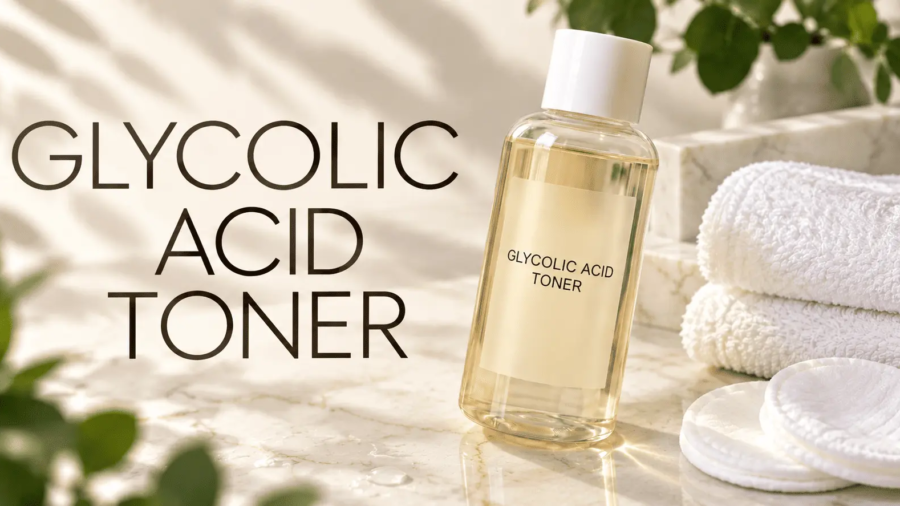
Glycolic acid toner is a liquid skincare product that contains glycolic acid, an alpha hydroxy acid (AHA). It works as a chemical exfoliant, helping loosen dead skin cells from the surface of your skin.
Unlike a physical scrub, which removes dead cells through rubbing, glycolic acid toner works through a chemical exfoliating process. It is known for its small molecular size, which allows it to work effectively on the outer layers of the skin.
Depending on the formula and concentration, this exfoliating ingredient may help improve the appearance of dullness, uneven texture, rough patches, and some signs of sun-related skin ageing.
However, not every glycolic acid toner has the same strength. The concentration, pH, additional ingredients, and your skin type can all affect how your skin responds to glycolic acid toner.
What Are the Main Glycolic Acid Benefits?
Before exploring its different uses, it helps to understand what glycolic acid toner can do for your skin.
1. Helps Remove Dead Skin Cells
Your skin naturally sheds dead cells, but some buildup can leave the surface looking dull or feeling rough.
Glycolic acid toner helps loosen these cells, allowing them to shed more easily. This can leave your skin feeling smoother and looking more refreshed.
2. Improves the Appearance of Skin Texture
Uneven skin texture is a common concern, especially when the skin feels rough or looks less smooth than usual.
Regular, careful exfoliation with glycolic acid toner may help improve the appearance of mild roughness and uneven texture. However, it is not suitable for every type of bump or skin condition.
3. Supports Brighter Looking Skin
Dead skin buildup can make your complexion look tired. By helping remove surface buildup, glycolic acid toner may support a brighter and more radiant appearance.
It does not change your natural skin colour. Instead, it helps improve the appearance of dullness and uneven tone.
4. Helps Improve the Appearance of Dark Marks
Glycolic acid toner may help improve the appearance of certain dark spots over time by supporting skin renewal.
However, pigmentation can have several causes, including acne marks, sun exposure, and hormonal changes. Results depend on the cause and your overall skincare routine.
5 Different Ways to Use Glycolic Acid Toner
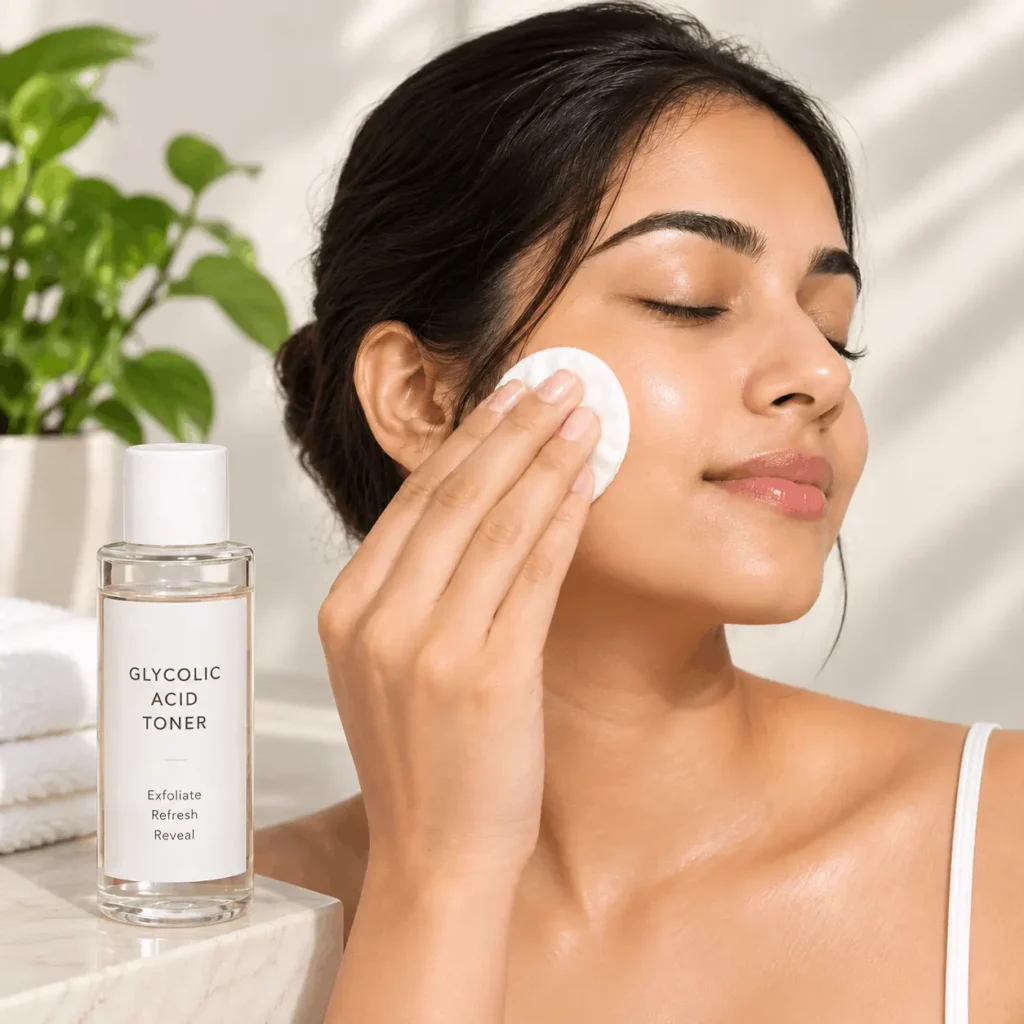
1. Facial Exfoliation for Smoother Skin
The most common use of glycolic acid toner is facial exfoliation.
If your skin looks dull or feels rough, a suitable toner may help improve its appearance by removing dead skin cells from the surface.
How to use it:
- Cleanse your face with a gentle face wash.
- Pat your skin dry.
- Apply a small amount of toner according to the product instructions.
- Follow with a moisturiser.
If you are new to exfoliating acids, start with occasional use. Avoid applying it around your eyes, on your lips, or over broken skin.
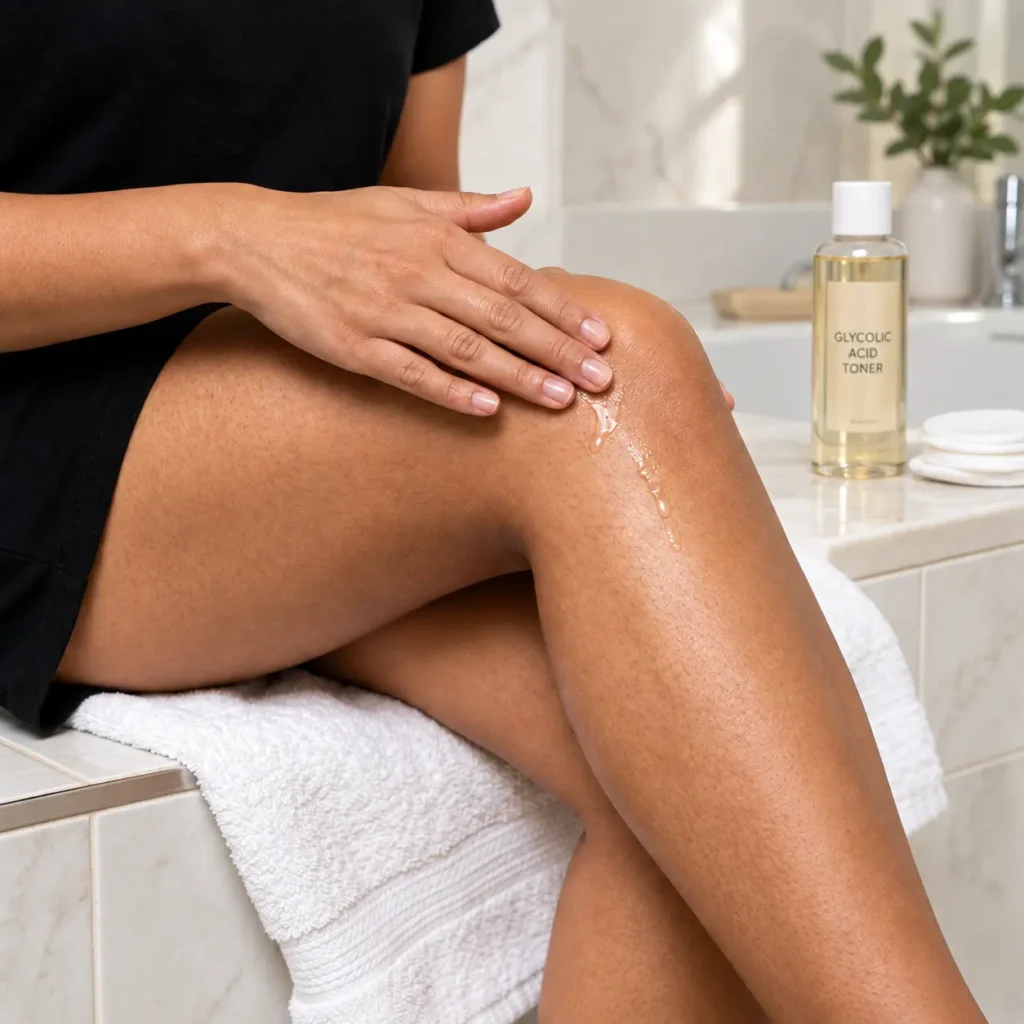
2. Body Care for Rough Skin
Your face is not the only area that can experience roughness. Elbows, knees, and other body areas may also feel dry or uneven.
Some glycolic acid toner products are suitable for body care and may help improve the appearance of rough skin.
For example, applying a suitable exfoliating product to rough elbows may help make the skin feel smoother over time.
Always check the label before using a facial toner on your body. Avoid freshly shaved, irritated, or damaged skin.
3. Care for Rough Elbows and Knees
Elbows and knees often have thicker skin and experience repeated friction or pressure.
A suitable glycolic acid product may help exfoliate surface buildup and improve the appearance of rough patches.
However, not every rough area needs an acid. Sometimes, regular moisturising is enough.
A simple routine:
-
Clean the area gently.
-
Apply a suitable exfoliating product as directed.
-
Follow with a moisturiser.
-
Use sun protection on exposed areas.
Avoid scrubbing these areas aggressively. Too much irritation can make some pigmentation concerns worse.
4. Improve the Appearance of Dark Body Marks
Dark marks on the knees, elbows, or other body areas can develop for different reasons, including friction, inflammation, and sun exposure.
Glycolic acid toner may help improve the appearance of some surface pigmentation, but it is not a guaranteed solution for every dark patch.
If you have unexplained, persistent, itchy, or changing pigmentation, consult a dermatologist before treating it with acids.
5. Explore Glycolic Acid Toner for Hair and Scalp Care
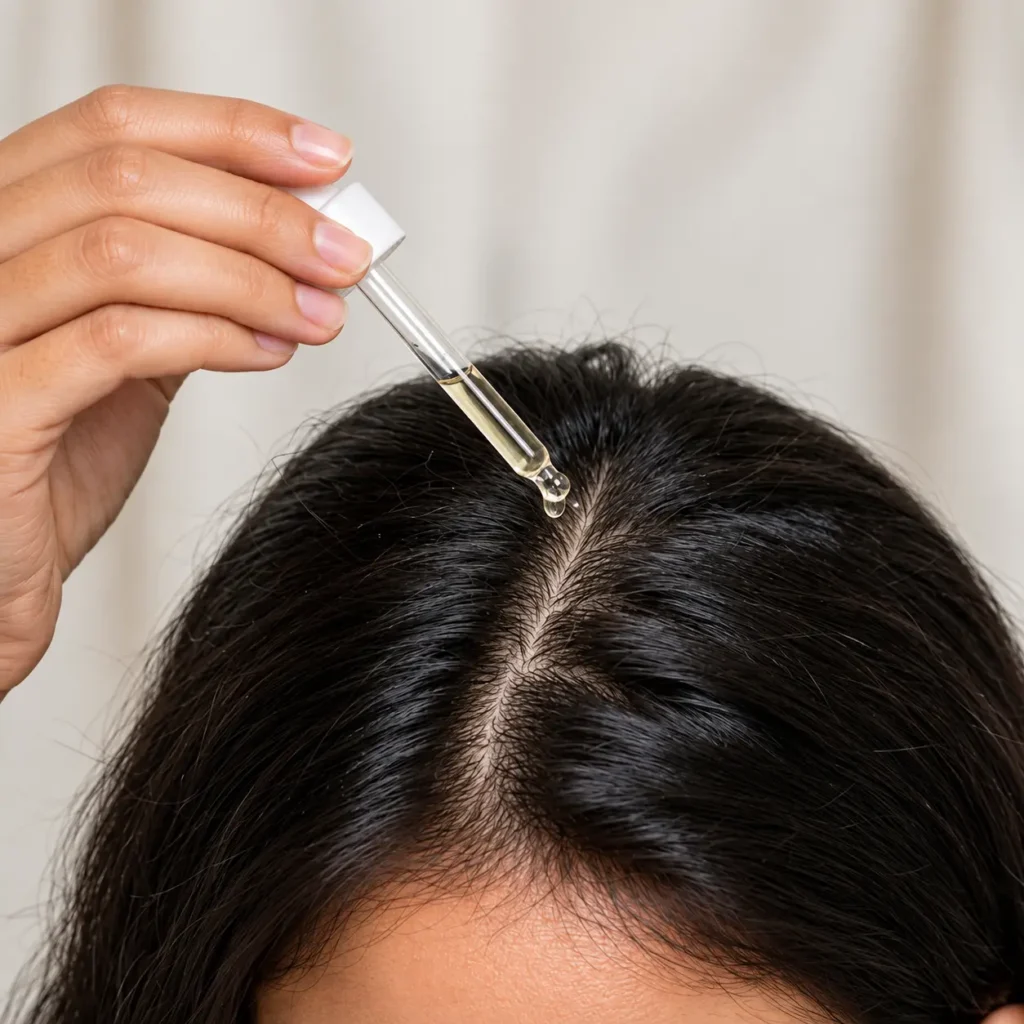
One of the more unusual uses people discuss online is glycolic acid toner for hair.
Some hair and scalp products contain glycolic acid for exfoliation or conditioning purposes. However, a facial toner is not automatically suitable for your scalp.
There is limited evidence that applying ordinary facial toner to the scalp will promote hair growth. It should not be treated as a proven hair-loss solution.
If you are considering glycolic acid toner for hair or scalp care, choose a product designed for that purpose. Follow its instructions and avoid applying acids to an irritated scalp.
For ongoing dandruff, scalp inflammation, or hair fall, a dermatologist can help identify the cause and recommend suitable treatment.
How to Use Glycolic Acid Toner Safely
Knowing how to use glycolic acid toner correctly is important because exfoliating acids can irritate the skin when overused.
Start Slowly
If you are new to glycolic acid toner, begin with occasional use. You do not need to apply it every day to see whether your skin tolerates it.
Apply It as Directed
Use the amount recommended on the product label. Avoid aggressive rubbing and do not apply it to broken or irritated skin.
Follow With Moisturiser
Moisturiser helps support skin hydration and comfort. It is especially useful if your skin feels dry after exfoliation.
Wear Sunscreen
Alpha hydroxy acids can increase skin sensitivity to ultraviolet radiation. The FDA recommends sun protection while using AHA products and for a week after stopping.Use broad-spectrum sunscreen, wear protective clothing, and limit unnecessary sun exposure. You can also use scarves to cover exposed skin and add extra protection from the sun.
Can You Use Glycolic Acid Toner Every Day?
Not everyone should use glycolic acid toner daily.
Some products are formulated for regular use, while others are stronger and better suited to occasional application.
Using an exfoliating toner too often may lead to dryness, redness, burning, peeling, or increased sensitivity.
Your ideal frequency depends on the concentration, formulation, skin type, and other active ingredients in your routine. If you are new to glycolic acid toner, start slowly and follow the product instructions. Glycolic acid toner should not be used more often than your skin can tolerate.
Glycolic Acid The Ordinary: What You Should Know
The Ordinary is a popular skincare brand known for its exfoliating products.
Its Glycolic Acid 7% Exfoliating Toner is one example of a glycolic acid toner. It contains 7% glycolic acid and is designed for exfoliation.
A product with this concentration may be too strong for some beginners, particularly those with sensitive skin or a routine that already includes several active ingredients.
Before using it, read the product label and follow the instructions. Do not assume that a popular product is suitable for every skin type.
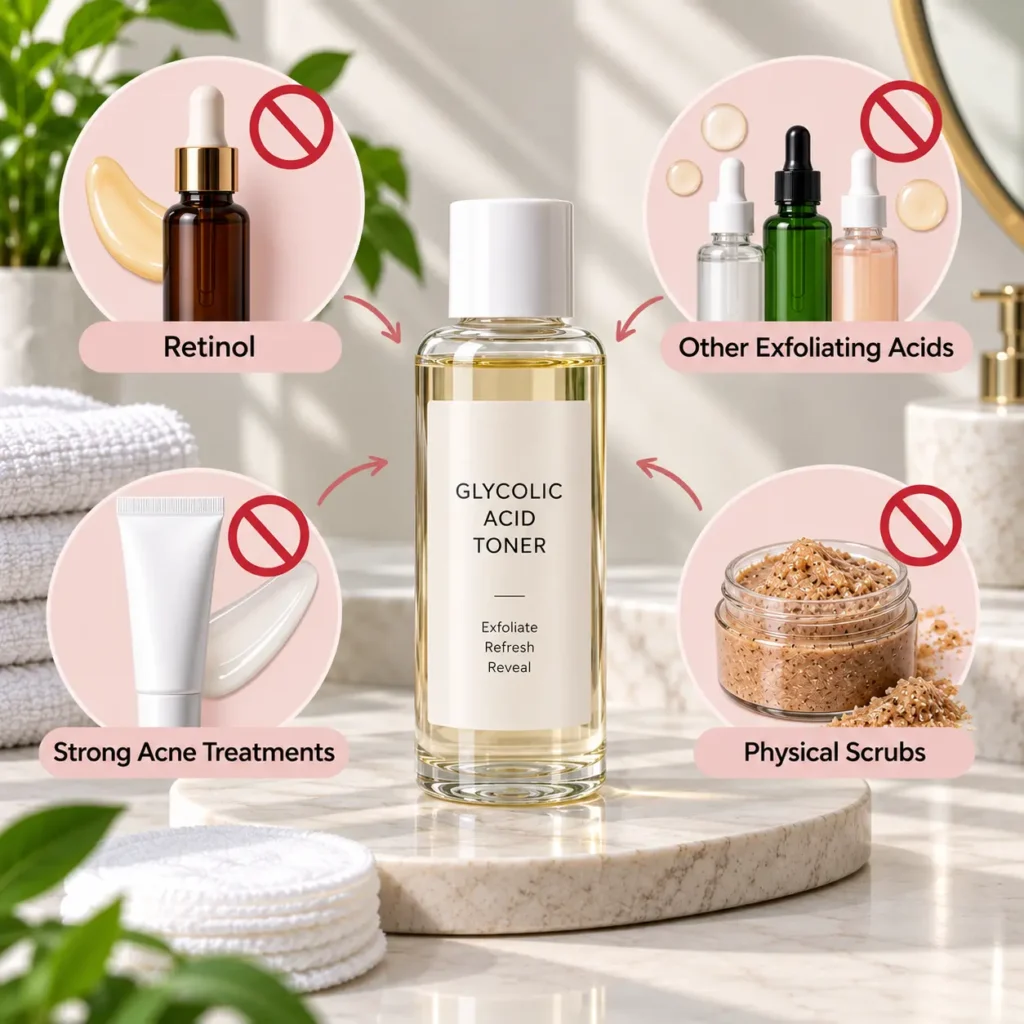
What Should You Avoid Mixing With Glycolic Acid Toner?
Using several strong skincare ingredients together may increase irritation.
Retinol
Retinol and glycolic acid toner can both cause dryness or irritation. Beginners may prefer to alternate them rather than apply both in the same routine.
Other Exfoliating Acids
Combining glycolic acid with lactic acid, salicylic acid, or other exfoliants may increase irritation.You usually do not need several exfoliating products in one routine.
Strong Acne Treatments
Some acne treatments can already cause dryness. Adding glycolic acid toner may make your skin more uncomfortable.
Physical Scrubs
Avoid harsh scrubbing before or after applying an exfoliating toner.
Common Mistakes to Avoid
Using Too Much
More product does not mean faster results. Follow the recommended amount of glycolic acid toner.
Applying It to Irritated Skin
Avoid using glycolic acid on sunburn, open wounds, or inflamed skin.
Skipping Moisturizer
Exfoliation can sometimes leave skin feeling dry. A suitable moisturizer helps support skin comfort.
Forgetting Sunscreen
Sun exposure can worsen pigmentation and contribute to skin damage. Sunscreen is an important part of an exfoliating routine.
Expecting Instant Results
Skin texture and pigmentation concerns take time. Consistent, gentle skincare is usually more useful than frequent, aggressive exfoliation. Glycolic acid toner works best when used according to your skin’s tolerance. If you are new to glycolic acid toner, start slowly.
Frequently Asked Questions
Glycolic acid toner is used to exfoliate the skin, improve the appearance of uneven texture, and support brighter-looking skin. It may also help with some rough patches and dark marks.
Yes, beginners can use a suitable product. Start slowly, choose an appropriate formulation, and follow the product instructions.
Not necessarily. Some products are designed for regular use, but daily application may irritate sensitive skin.
It may help improve the appearance of some dark spots over time. Results depend on the cause of pigmentation and sun protection.
Some products can be used on areas such as elbows and knees. Check the product label before applying it.