How to Choose the Right Sunscreen for Your Skin
Finding the best sunscreen for face is an essential step in maintaining healthy-looking skin. Daily exposure to sunlight can contribute to tanning, uneven pigmentation, sunburn, premature signs of ageing, and other forms of UV-related skin damage. Using the best sunscreen for face regularly can help reduce the impact of ultraviolet radiation and protect your skin from everyday sun exposure.
However, selecting the best sunscreen for face is not simply about choosing a product with a high SPF. Your skin type, daily activities, climate, exposure to sunlight, and preferred texture can all influence which sunscreen works best for you. The best sunscreen for face should provide reliable protection while feeling comfortable on your skin and fitting easily into your daily skincare routine.
Why Is Sunscreen Important?
Sun exposure can happen more often than you may realize, even when you are not spending the entire day outdoors. You can be exposed to ultraviolet (UV) rays while travelling, walking, shopping, running daily errands, sitting outside, or spending time close to windows. This is why using the best sunscreen for face as part of your everyday skincare routine can be important.
Regular sun protection is especially useful if you want to manage tanning, pigmentation, dark spots, uneven skin tone, or visible signs of premature ageing. The best sunscreen for face can help protect exposed skin from the effects of daily UV exposure when applied correctly and consistently.
UV radiation mainly consists of UVA and UVB rays. UVA rays can contribute to photoageing and long-term skin damage, while UVB rays are a major cause of sunburn. For this reason, the best sunscreen for face should offer broad-spectrum protection against both UVA and UVB rays.
Along with applying the best sunscreen for face, you can also use physical protection when spending time outdoors. Wearing a scarf, hat, sunglasses, or other protective clothing can help cover exposed areas of the skin and provide an additional layer of protection from direct sunlight.
How to Choose the Best Sunscreen for Face


1. Check the SPF
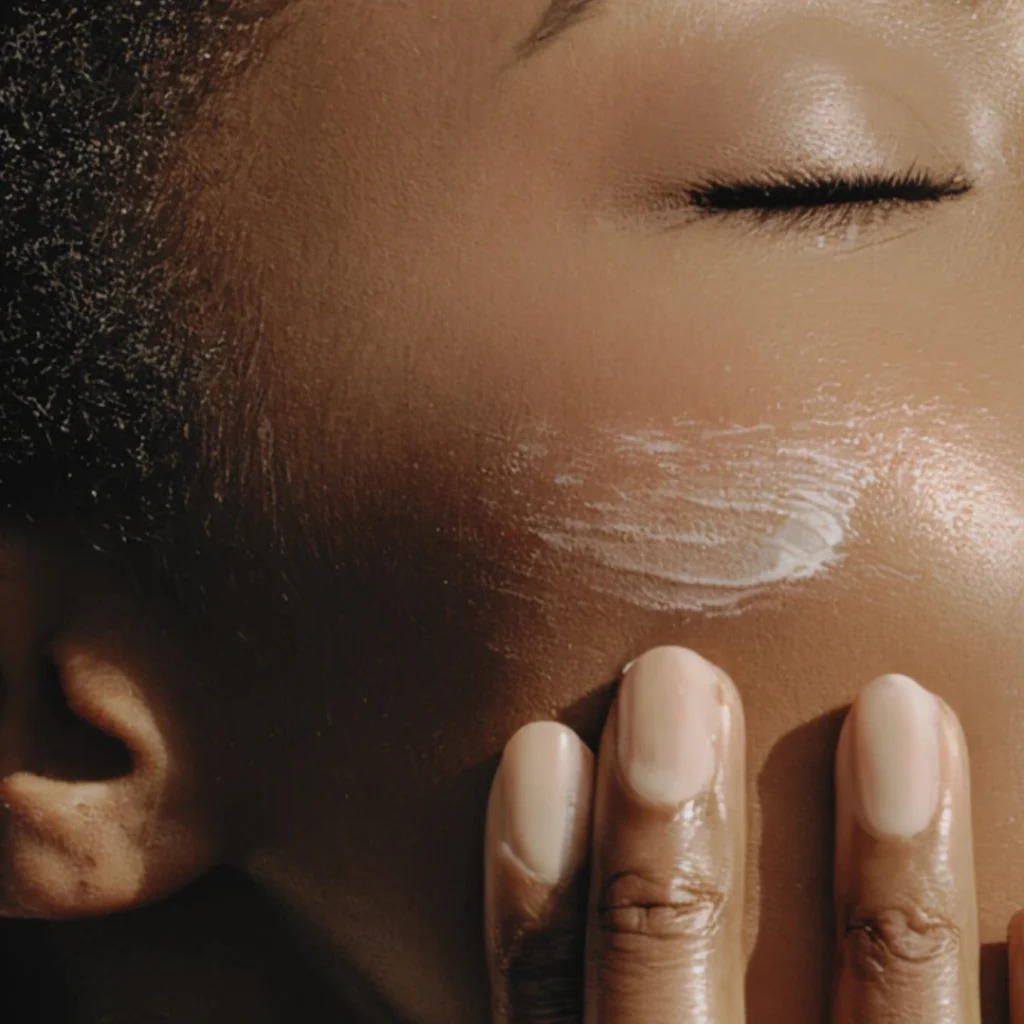
SPF stands for Sun Protection Factor. It primarily describes how well a sunscreen protects against UVB radiation under standardized testing conditions.For regular use, SPF 30 or above is commonly recommended. If you spend a lot of time outside, an SPF 50 sunscreen can be a convenient choice.
2. Look for Broad-Spectrum
A broad spectrum sunscreen is intended to provide protection from both UVA and UVB radiation.Since UVA and UVB can affect the skin in different ways, looking for broad-spectrum or equivalent UVA/UVB protection on the packaging can help you choose a more comprehensive sunscreen.
3. Consider Your Skin Type
Your skin type can make a significant difference to how comfortable sunscreen feels throughout the day.If you have oily skin, you may prefer a lightweight fluid, gel, or water-based texture. dry skin may find creamier formulas comfortable, particularly when they contain moisturizing ingredients.
4. Consider Your Daily Routine
The most effective sunscreen is one you can comfortably use every day.Someone who travels to work daily may want a sunscreen that feels light and works well underneath makeup. Someone who spends several hours outdoors may prefer a product designed to maintain performance.
Sunscreen for Different Skin Types
Sunscreen for Oily Skin
People with oily skin sometimes avoid sunscreen because they dislike products that leave a shiny or sticky finish. However, sunscreen remains an important part of skincare even when your skin produces excess oil.
Look for lightweight textures such as gels, fluids, or oil-free formulations. A comfortable, quick-absorbing sunscreen may make it easier to apply the recommended amount every morning.

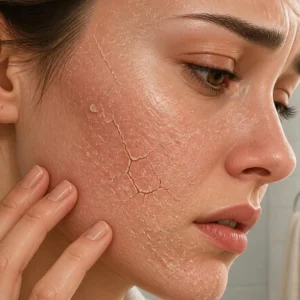
Sunscreen for Dry Skin
Dry skin may feel more comfortable with a sunscreen that provides some moisturizing benefits.
Cream or lotion-based sunscreens can work well for people who experience dryness or tightness after cleansing. If your skin frequently feels uncomfortable after sunscreen application, consider choosing a formula designed for normal-to-dry skin.
Sunscreen for Sensitive Skin
Sensitive skin can react to particular cosmetic ingredients, so introducing new sunscreen gradually can be useful.
A simple formulation may be easier to tolerate. Some people with sensitive skin prefer mineral sunscreens containing zinc oxide or titanium dioxide, although individual skin reactions can vary.


Sunscreen for Acne-Prone Skin
People with acne-prone skin may worry that sunscreen will worsen breakouts. Rather than skipping sun protection, consider products described as lightweight and non-comedogenic.
A sunscreen for acne prone skin should ideally feel comfortable without making the face excessively greasy. However, no formula works identically for everyone, so checking the ingredients and observing how your skin responds is important.
Understanding UVA and UVB Protection
UVA and UVB radiation do not affect the skin in exactly the same way.
UVB is closely associated with sunburn, while UVA can penetrate more deeply and contributes to photoageing and cumulative skin damage.
For this reason, selecting sunscreen that offers UVA and UVB protection is a sensible part of a complete sun-care routine.
Sunscreen should also be combined with other protective measures. Spending time in the shade, wearing protective clothing, using a hat, and limiting direct exposure during intense sunlight can provide additional protection.
What Does PA+++ Mean?
If you are looking for the best sunscreen for face, especially from Asian skincare brands, you may notice a PA rating printed on the sunscreen packaging.
PA refers to protection against UVA radiation. The plus symbols indicate the strength of UVA protection within the PA classification system. For people choosing the best sunscreen for face, understanding the PA rating can help when comparing products that offer UVA protection.
A PA+++ sunscreen represents a high level of UVA protection under this system. If you want the best sunscreen for face for everyday use, looking at both UVA protection and SPF can help you make a more informed choice.
When comparing products, do not choose the best sunscreen for face based on SPF alone. Consider the SPF rating and UVA protection together. A sunscreen with suitable broad-spectrum protection can be a better choice for protecting your skin from different types of UV radiation.
Therefore, when searching for the best sunscreen for face, check the product label carefully and consider both SPF and PA ratings along with your skin type, daily sun exposure, and skincare needs.
How Much Sunscreen Should You Apply?
The amount of sunscreen matters because using an insufficient quantity can reduce the level of protection you actually receive.
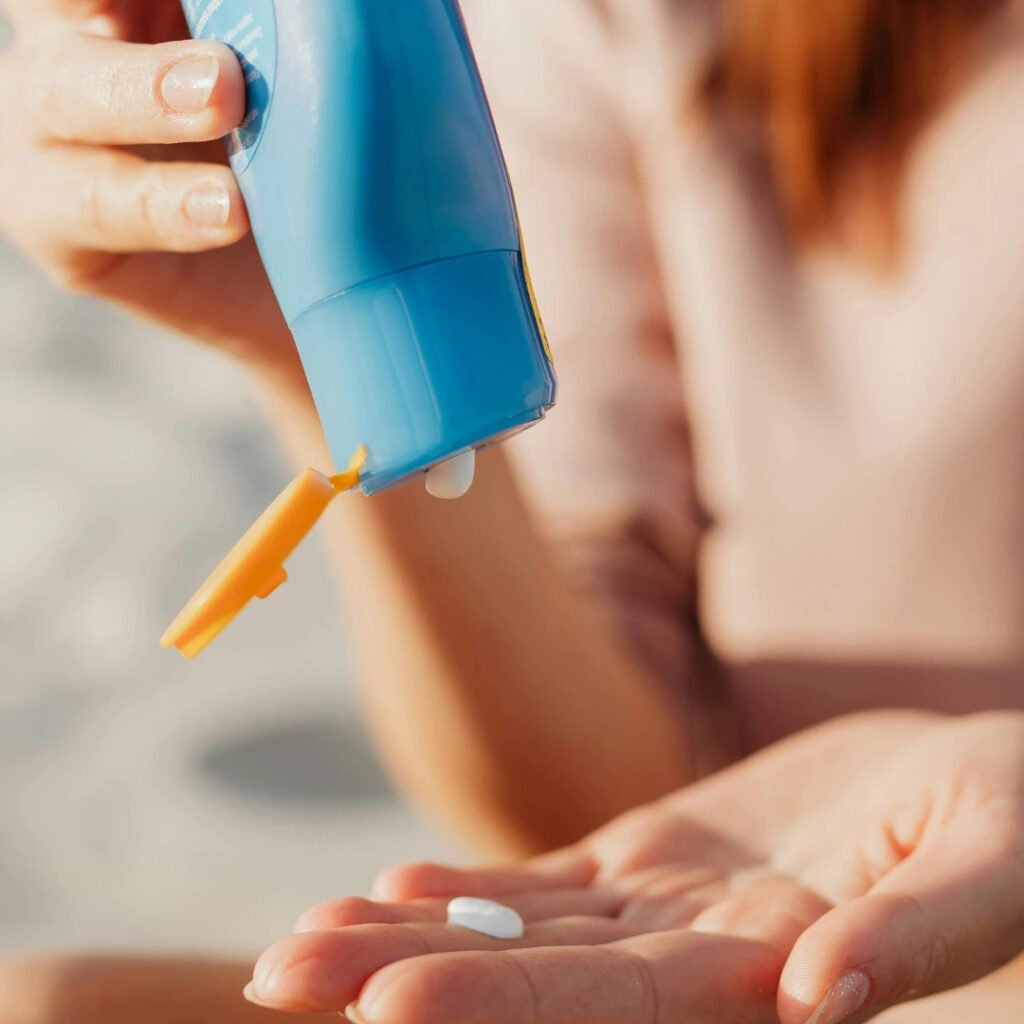
For the face and neck, the two-finger approach is often used as a convenient way to estimate an adequate amount. Apply sunscreen along the length of two fingers and distribute it evenly across the face and neck.
Do not spread the sunscreen so thinly that it barely covers the skin.
If you remain outside for a long period, sweat heavily, swim, or frequently wipe your face, you may need to reapply sunscreen. Always follow the instructions provided by the manufacturer.
When Should You Apply Sunscreen?
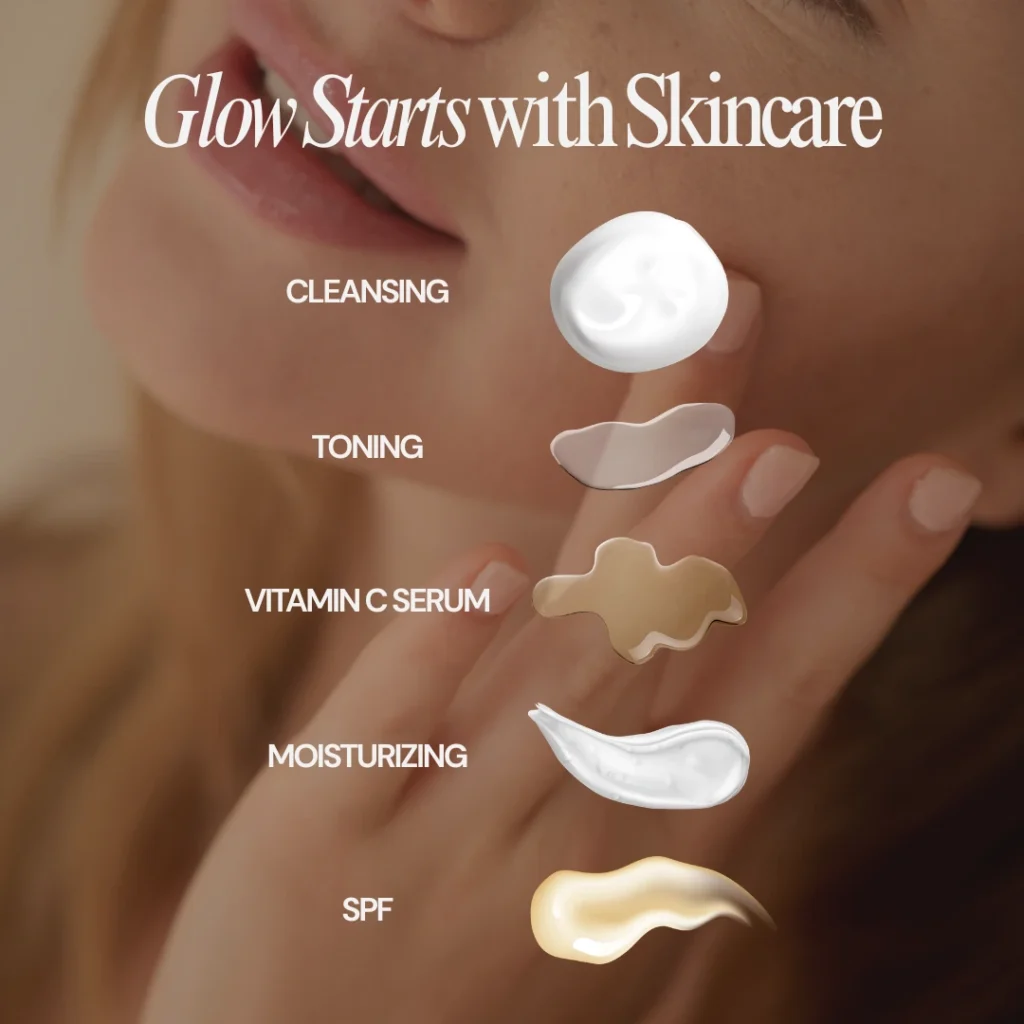
If you want to get the most from the best sunscreen for face, applying it at the right stage of your morning skincare routine is important. Sunscreen generally belongs near the end of your skincare routine, after your other skincare products.
Start by cleansing your face and then apply skincare products such as serum or moisturizer if required. Once these products have been applied, finish your routine with the best sunscreen for face that suits your skin type. If you wear makeup, sunscreen should generally be applied before makeup.
After applying the best sunscreen for face, allow it to settle on your skin before going outside. This helps you maintain a consistent layer of sun protection. During prolonged outdoor exposure, reapplication is particularly important because sunscreen protection does not remain unchanged throughout the day.
For daily skincare, choosing the best sunscreen for face is only one part of effective sun protection. Applying an adequate amount, using it consistently, and reapplying when needed can help support better protection from UV exposure.
Common Sunscreen Mistakes to Avoid
Even an excellent sunscreen may not provide its intended protection if it is used incorrectly.
Some common mistakes include:
- Using a very small amount of sunscreen
- Leaving areas such as the ears and neck unprotected
- Applying sunscreen only when the weather looks sunny
- Forgetting to reapply during lengthy outdoor activities
- Selecting sunscreen only because it has a high SPF
- Avoiding sunscreen because of concerns about oily skin
- Continuing to use a product after its expiry date
- Assuming sunscreen eliminates the need for other sun-protection measures
Making sunscreen part of your morning routine can help turn sun protection into a consistent habit.
How to Build a Simple Sun Protection Routine
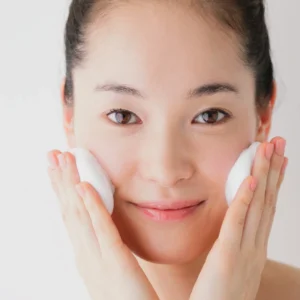

🧴 Cleanser
A good cleanser gently removes dirt, oil, and impurities without stripping the skin.Choose a mild cleanser suited to your skin type.Gentle cleansing helps keep your skin fresh, and balanced.
💧 Serum
A serum delivers targeted ingredients to address concerns like dullness, dark spots, or uneven texture.
Choose ingredients based on your specific skin needs.
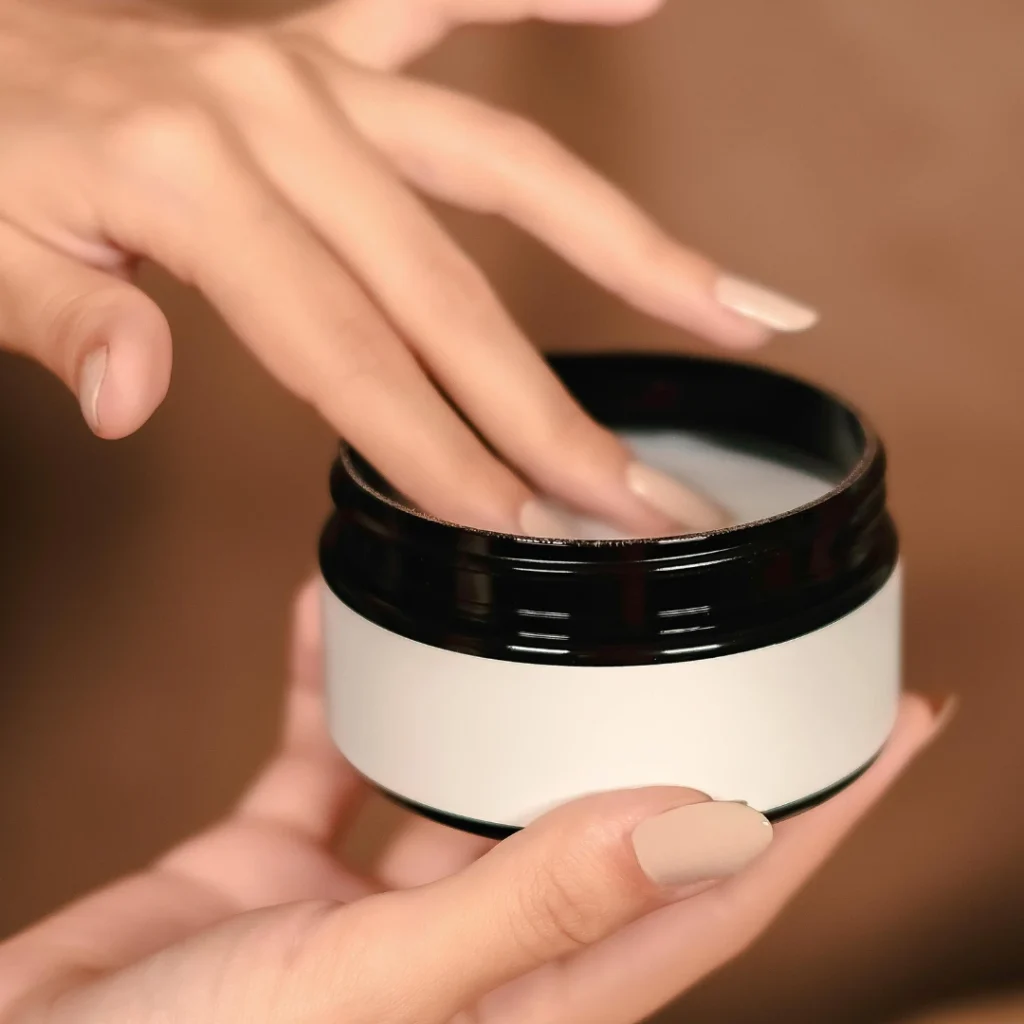
🌿 Moisturizer
A good moisturizer helps lock in hydration and support the skin barrier.
Choose a lightweight, non-comedogenic formula if your skin is oily or acne-prone.
☀️ Sunscreen
Sunscreen helps protect your skin from harmful UV rays and premature skin aging.
Choose a broad-spectrum SPF 30 or higher sunscreen for daily use.
Final Thoughts
Finding the best sunscreen for face is not simply about choosing the most expensive product. The best sunscreen for face should suit your skin type, daily routine, and level of sun exposure. When choosing the best sunscreen for face, look for adequate SPF, strong UVA protection, and a lightweight formula that feels comfortable enough for everyday use.
Whether you have oily, dry, sensitive, combination, or acne-prone skin, the best sunscreen for face can vary depending on your individual needs. A suitable sunscreen should be easy to apply, comfortable on the skin, and convenient to reapply throughout the day.
Most importantly, using the best sunscreen for face consistently and applying an adequate amount can help protect your skin from UV exposure. Along with sunscreen, other sun-protection habits such as seeking shade and wearing protective clothing can support healthier-looking skin over time.
Frequently Asked Questions
1. How often should I apply sunscreen?
For normal daily activities, apply sunscreen as part of your morning routine. If you spend extended periods outdoors, reapply according to the product directions and especially after sweating, swimming, or wiping your face.
2. Is SPF 30 enough for everyday use?
SPF 30 can provide substantial UVB protection when applied correctly. However, people with high sun exposure may prefer a higher SPF product.
3. Can I use sunscreen every day?
Yes. Sunscreen can be used as part of a daily skincare routine, including on days when you are not spending a lot of time outdoors.
4. Should I apply moisturizer before sunscreen?
Generally, moisturizer can be applied before sunscreen. Sunscreen is usually the final step of your morning skincare routine before makeup.
5. Can sunscreen cause acne?
Some sunscreen formulas may feel heavy or contribute to breakouts for certain people. If you have acne-prone skin, consider lightweight, non-comedogenic formulas.
6. What is the difference between UVA and UVB?
UVA rays are associated with skin ageing and long-term skin damage, while UVB rays are a major cause of sunburn. A sunscreen offering protection against both is preferable.
[…] Cleanser → Serum → Moisturizer → Sunscreen […]
[…] broad-spectrum sunscreen, wear protective clothing, and limit unnecessary sun exposure. You can also use scarves to cover […]