Indian Jewellery is more than an accessory. It is a part of India’s culture, celebrations, family traditions and personal style. From delicate everyday pieces to detailed bridal sets, jewellery can add meaning and character to almost any outfit. Today, traditional designs are also being paired with contemporary clothing, making them suitable for weddings, festivals, parties and even everyday wear.
Why Indian Jewellery Is So Special
Jewellery traditions differ from one region to another. Temple-inspired designs are popular in the South, Kundan and Polki are closely associated with North Indian bridal fashion, while filigree, Meenakari and tribal-inspired pieces bring their own distinctive character.
Jewellery can also carry emotional value. A necklace may be passed from one generation to another, while a pair of earrings may be chosen for a special festival or wedding. This combination of craftsmanship, history and personal meaning is what makes Indian jewellery different from ordinary fashion accessories.
Indian Jewellery Styles Every Woman Can Explore
Indian Jewellery traditional designs continue to influence modern fashion, especially during weddings, festivals and family celebrations.
Kundan Jewellery
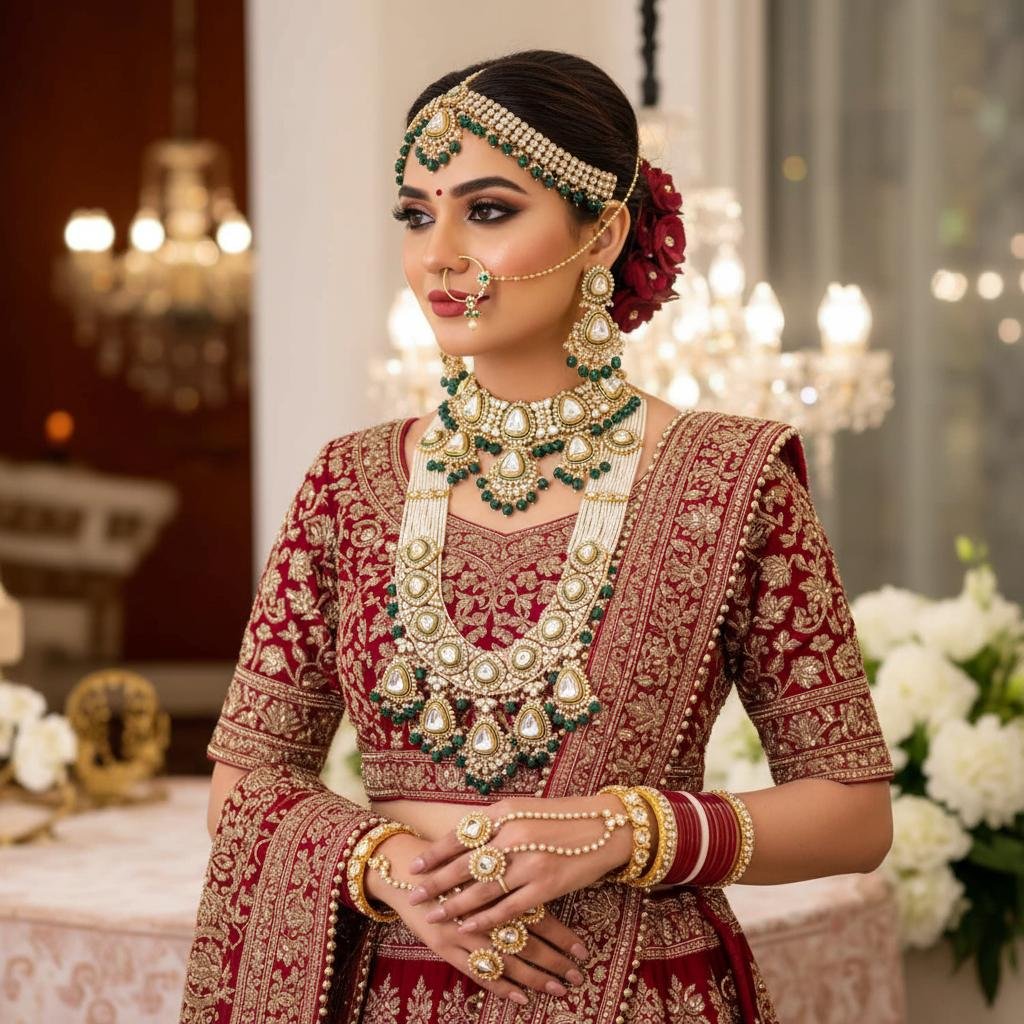
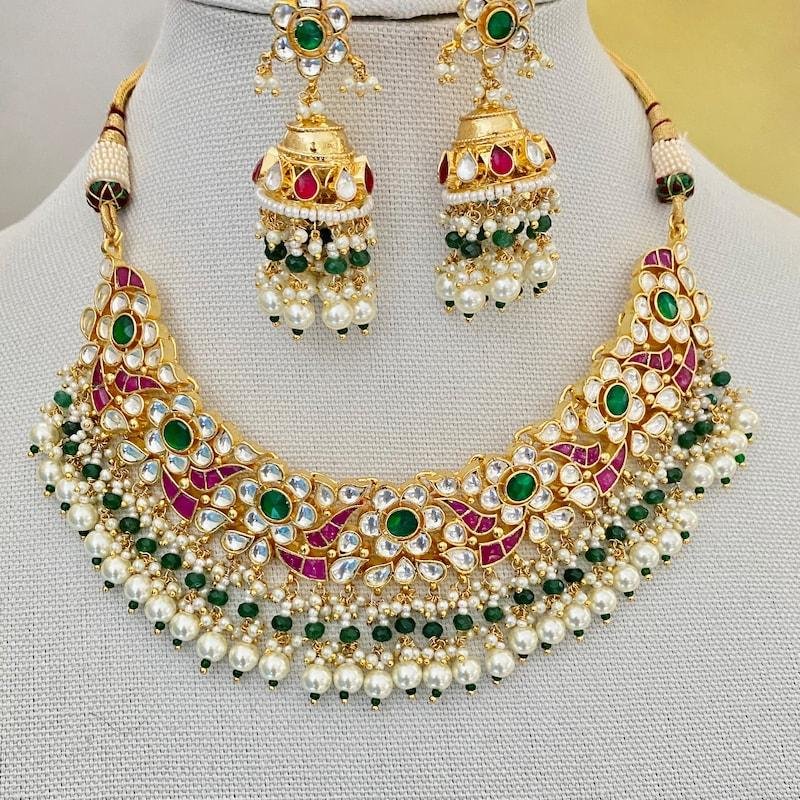
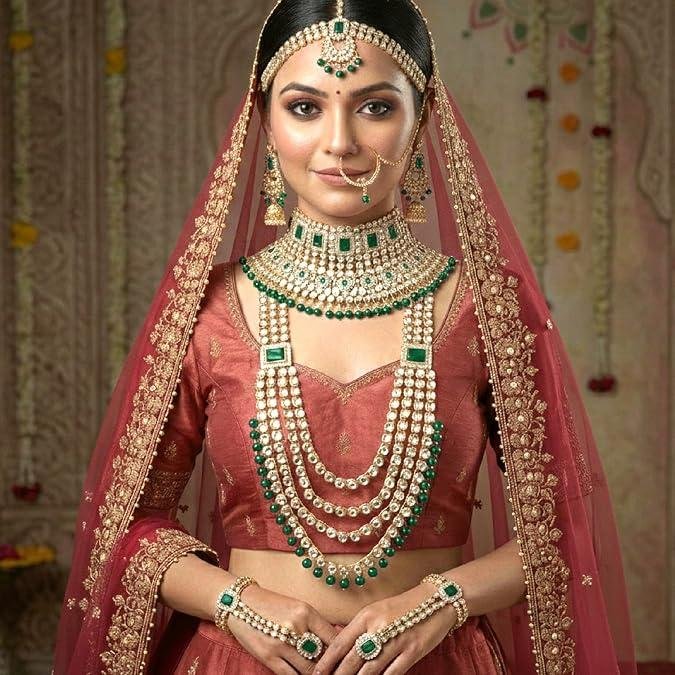
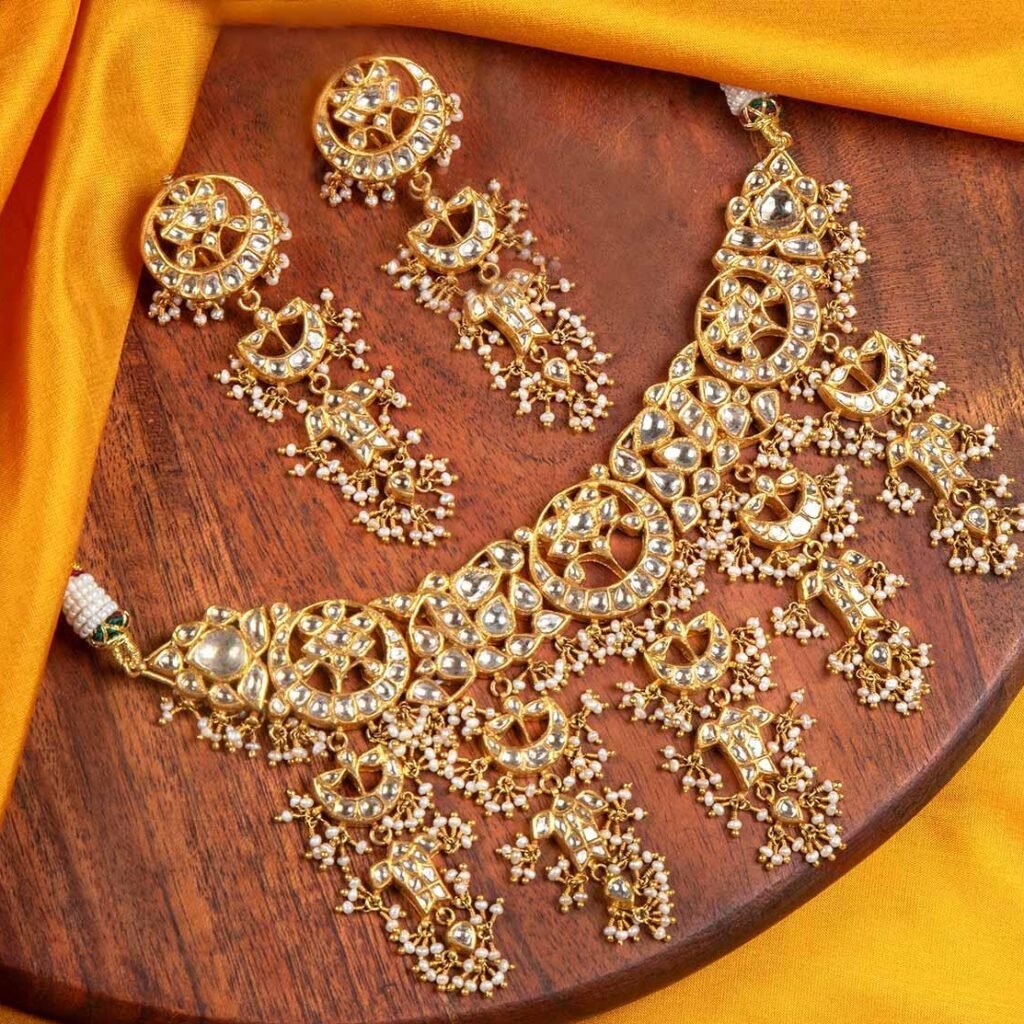
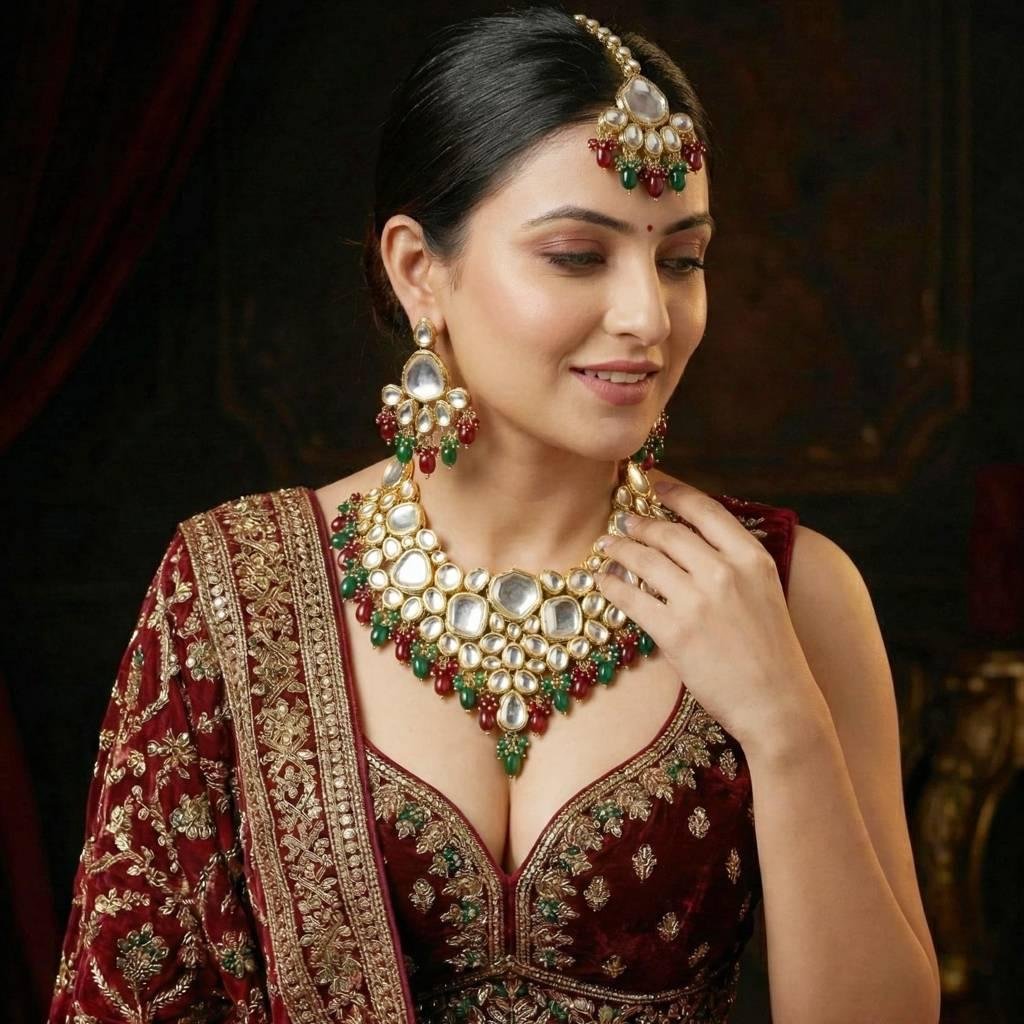
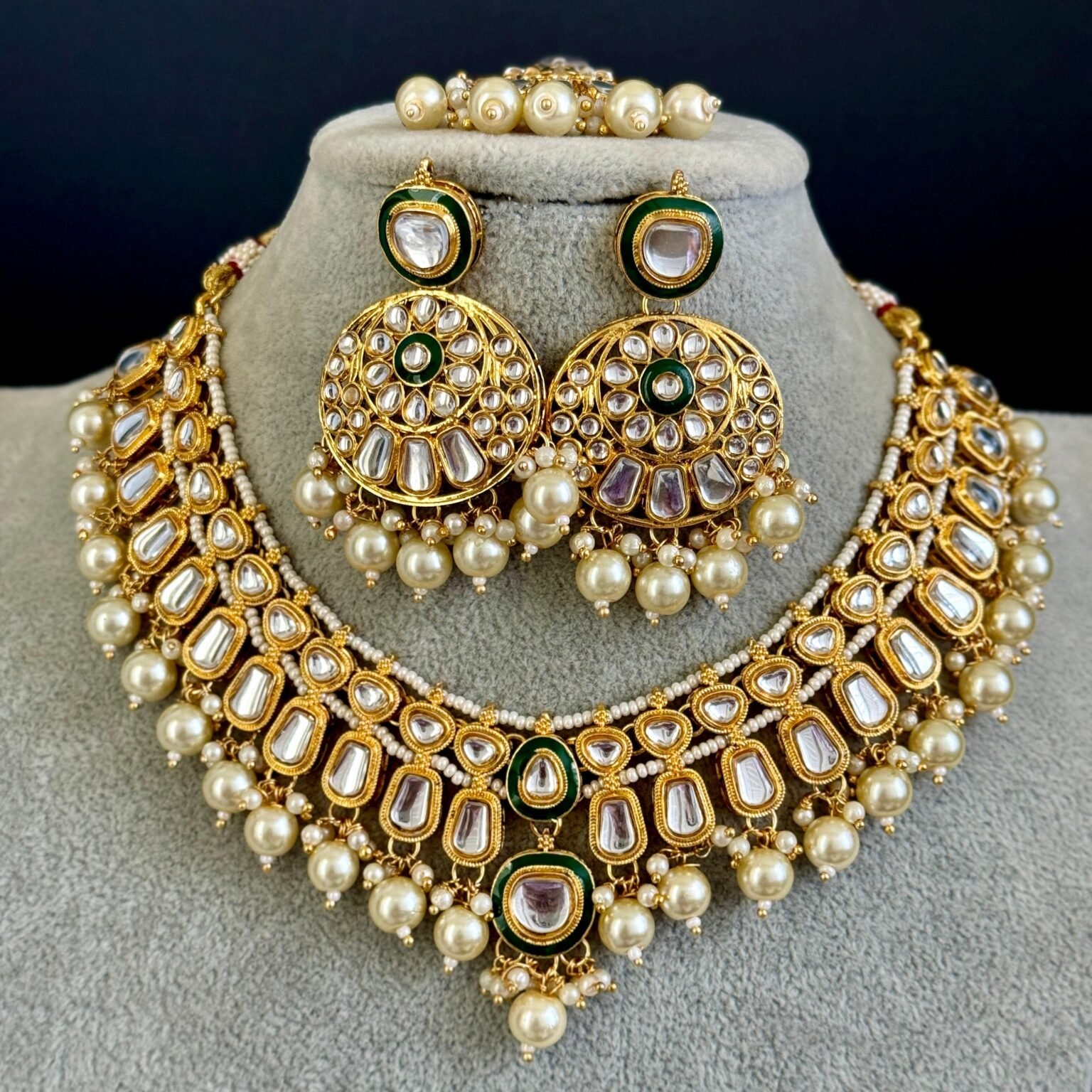
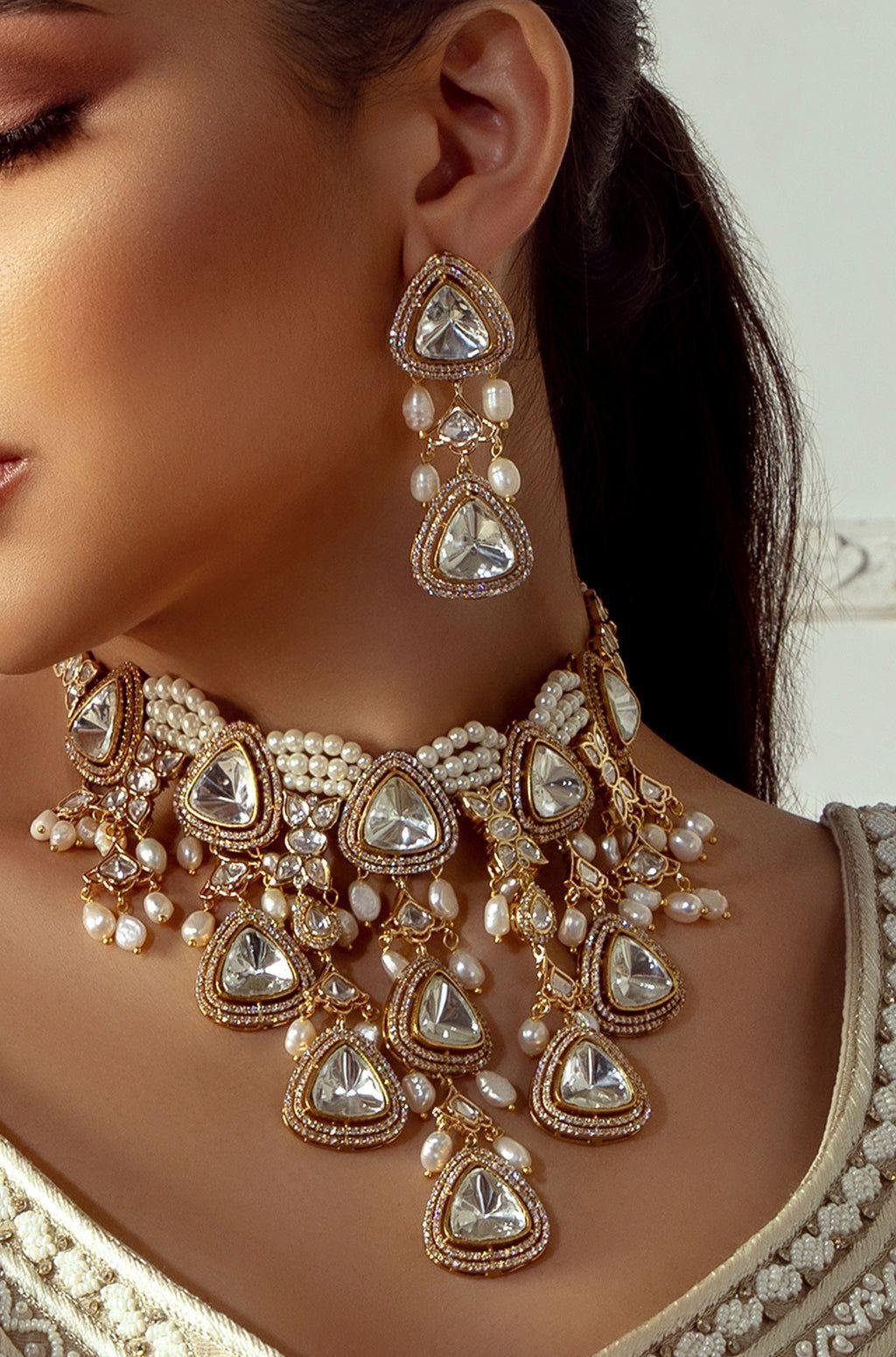
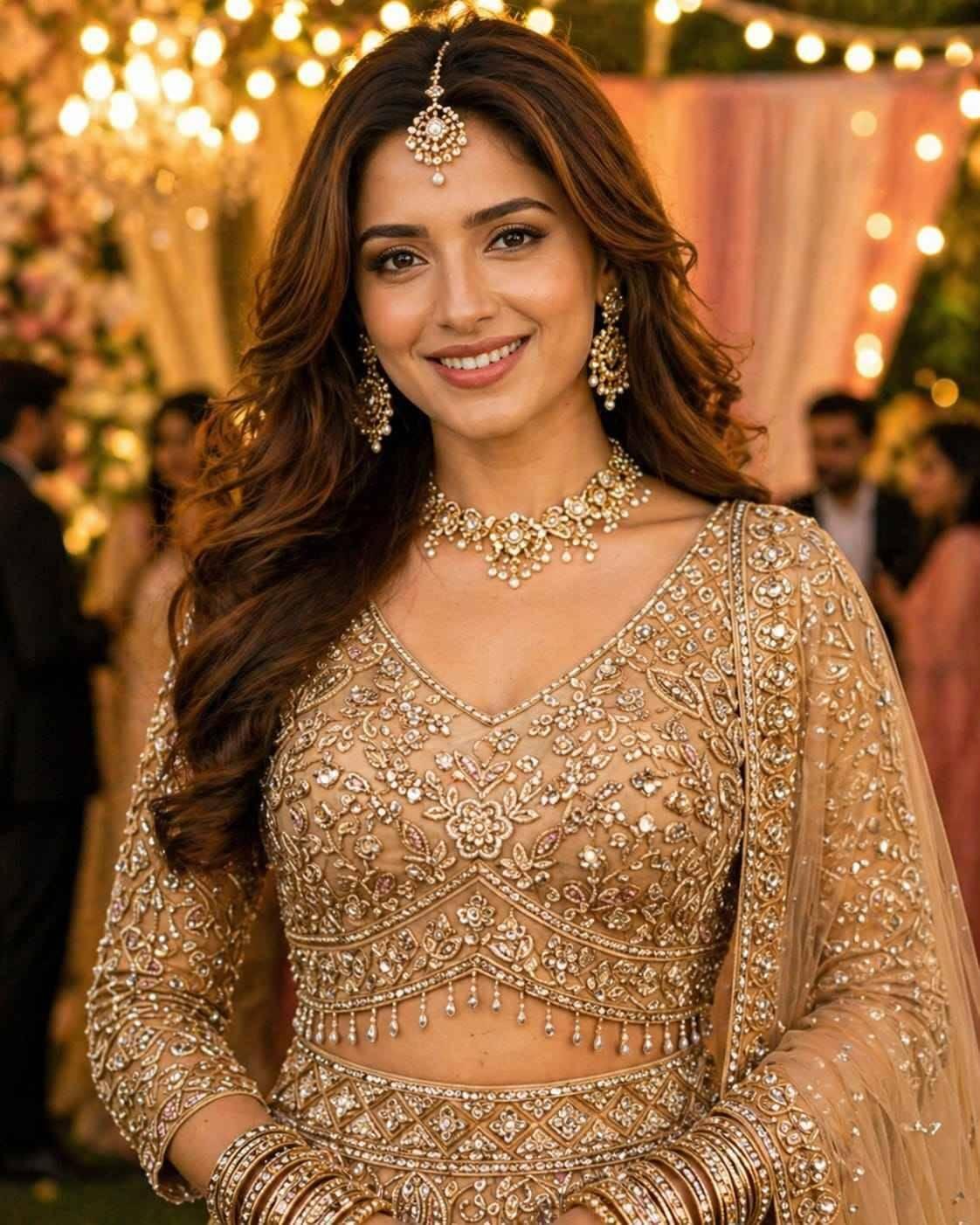
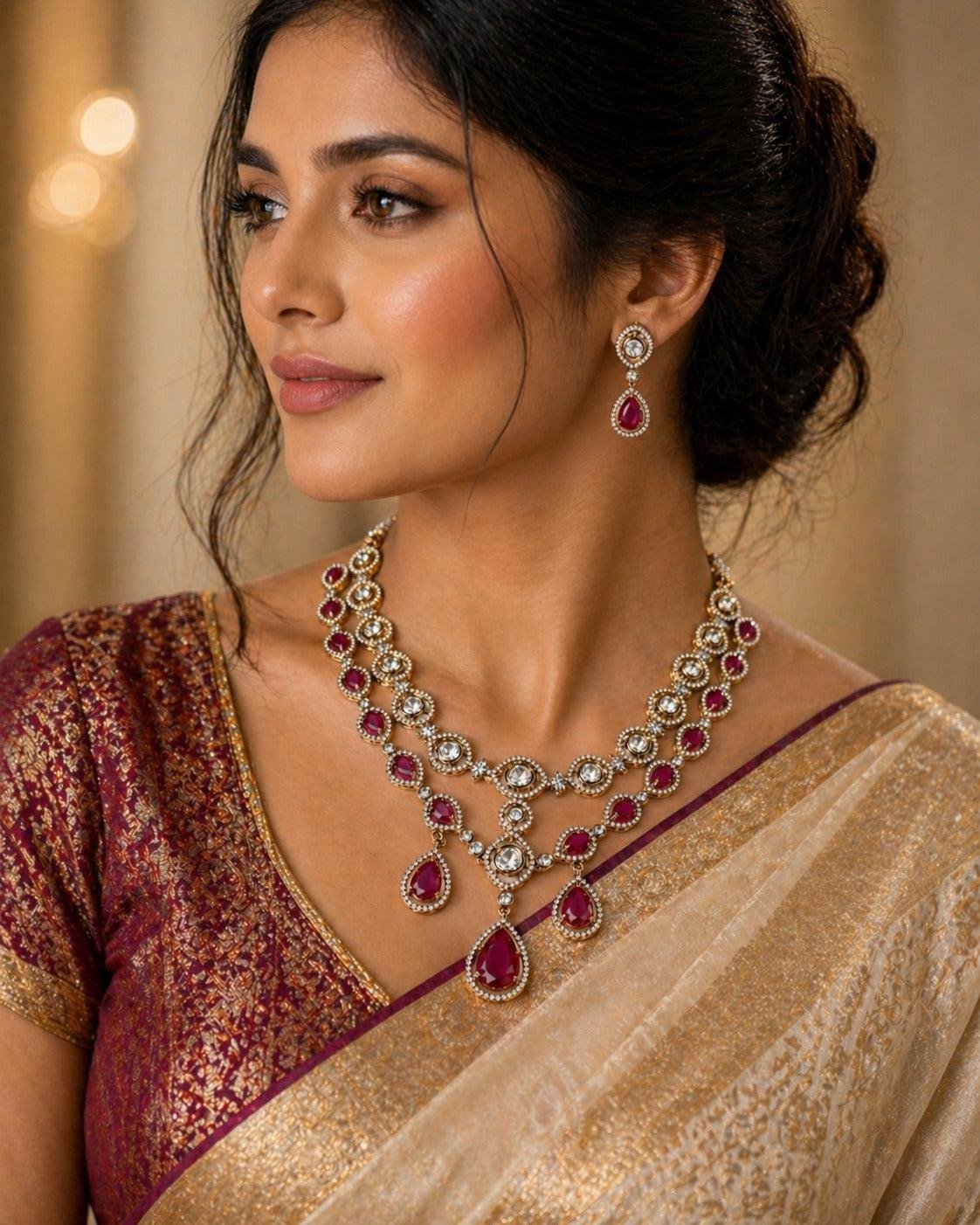
Kundan jewellery is known for its detailed stone setting and rich appearance. It works beautifully with lehengas, sarees and anarkalis. For a wedding or festive event, a Kundan necklace paired with matching earrings can create a classic look.
Temple Jewellery
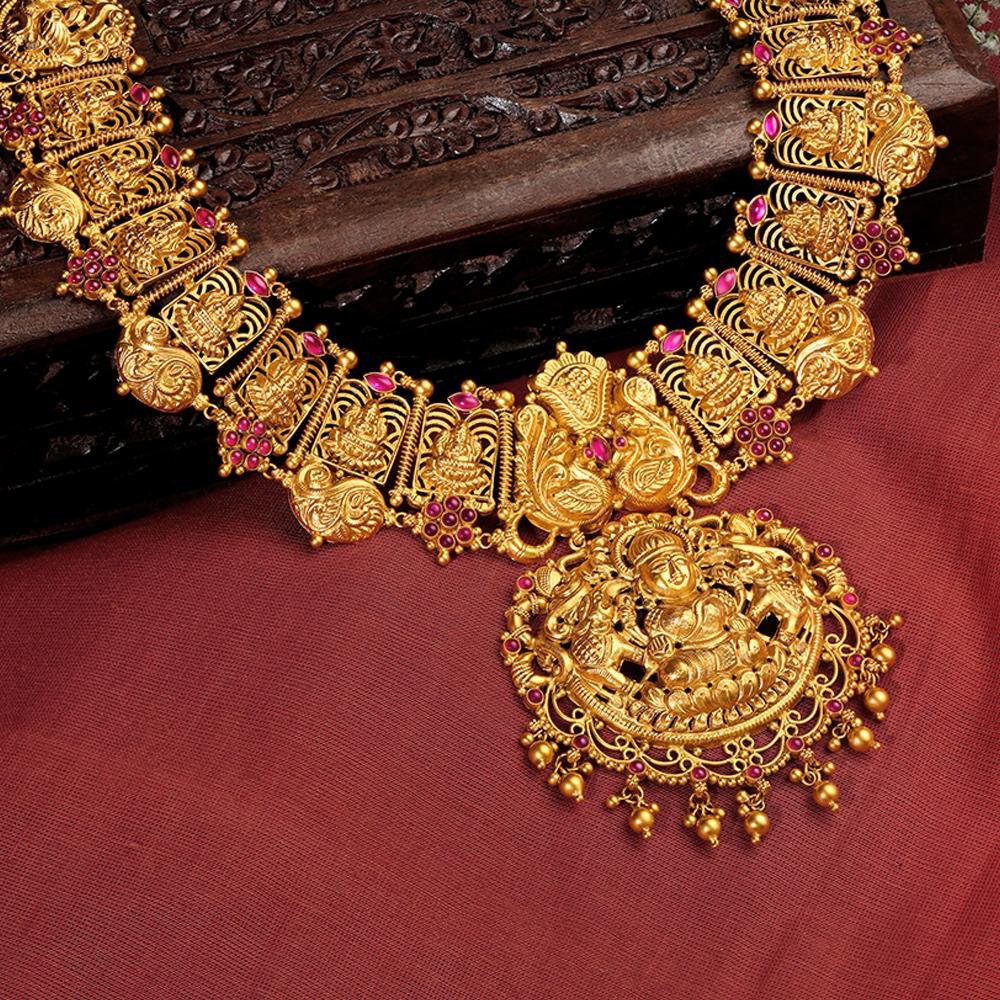
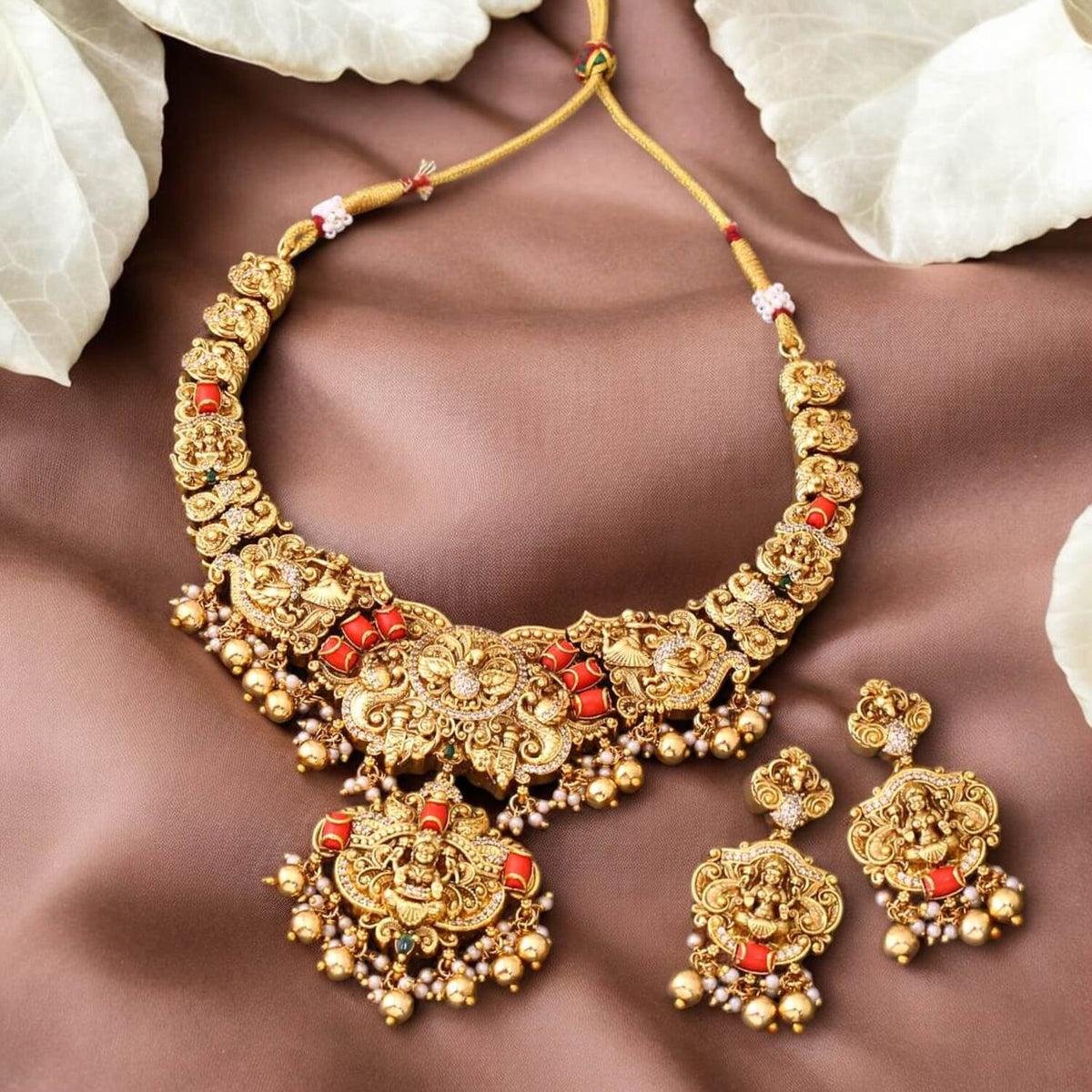
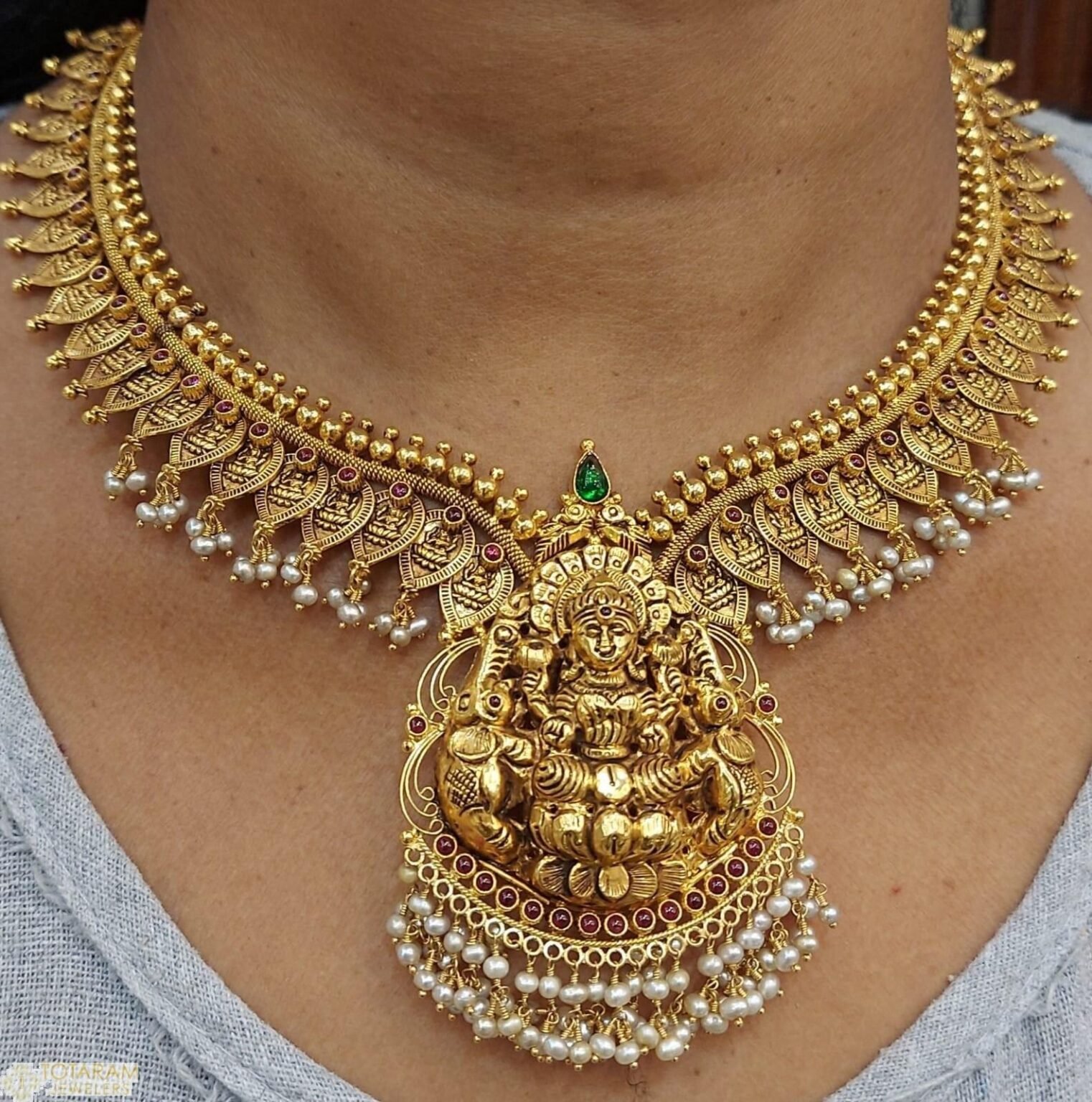
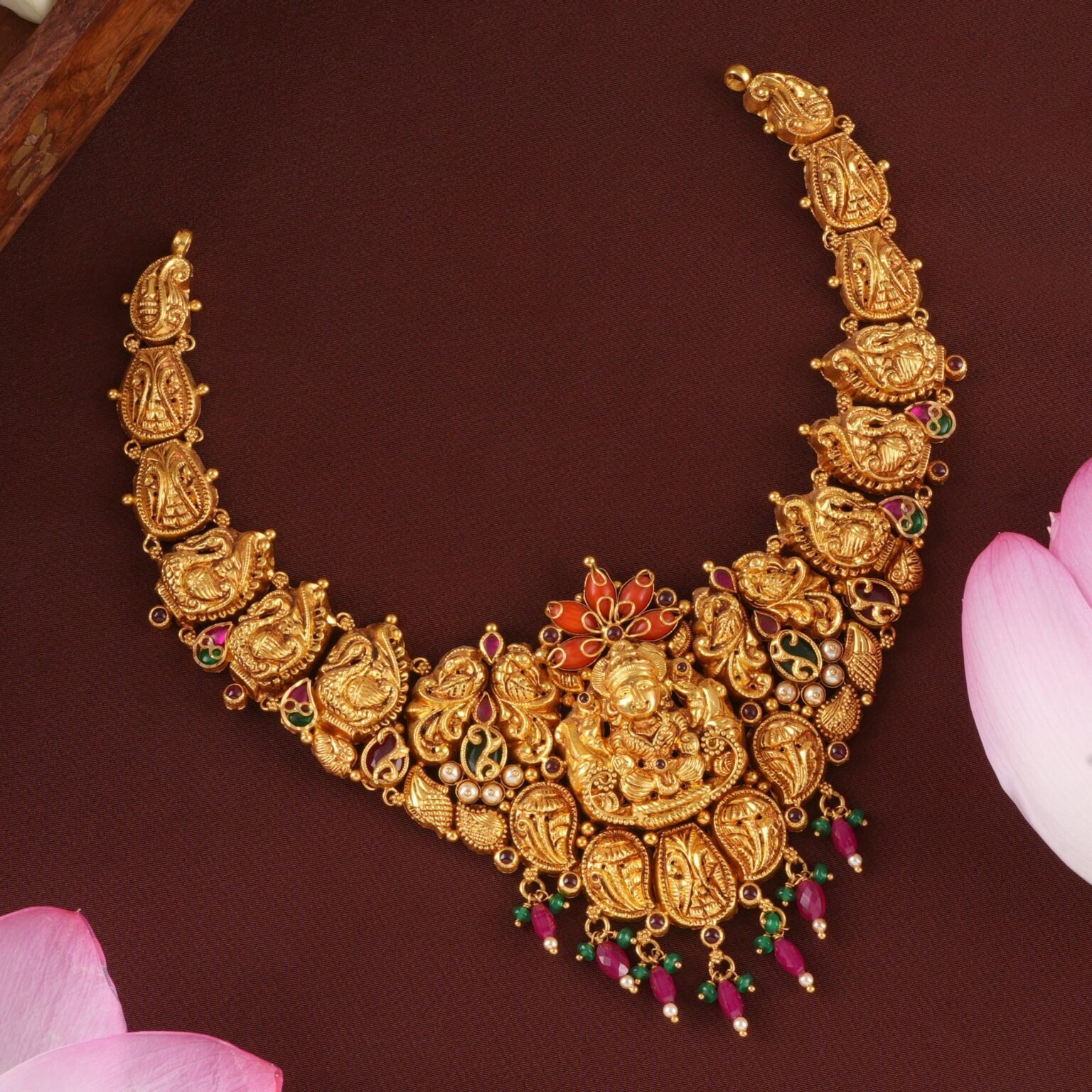
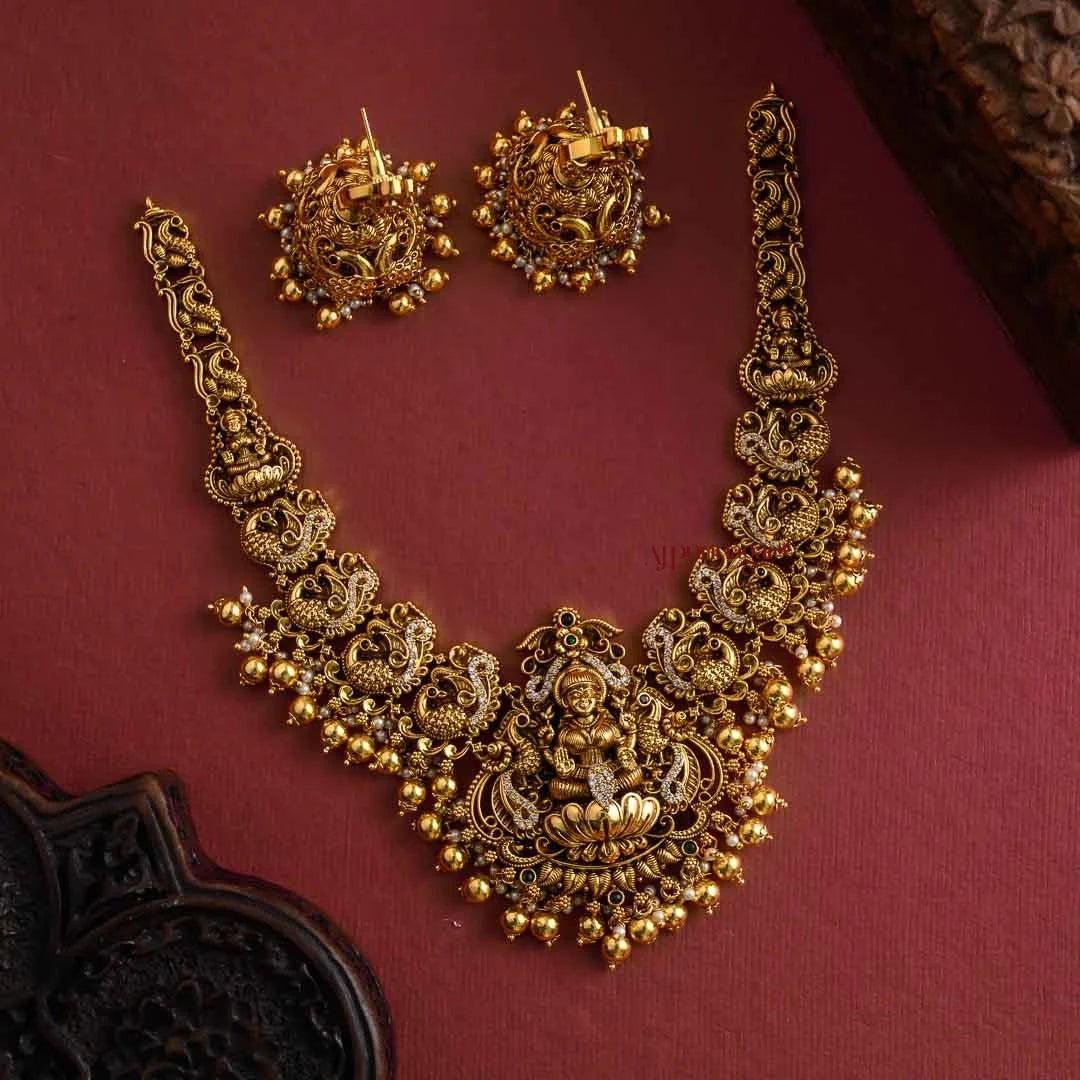
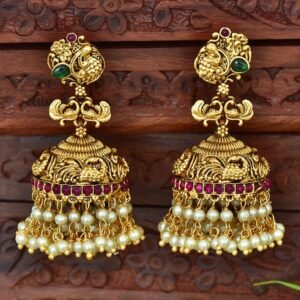
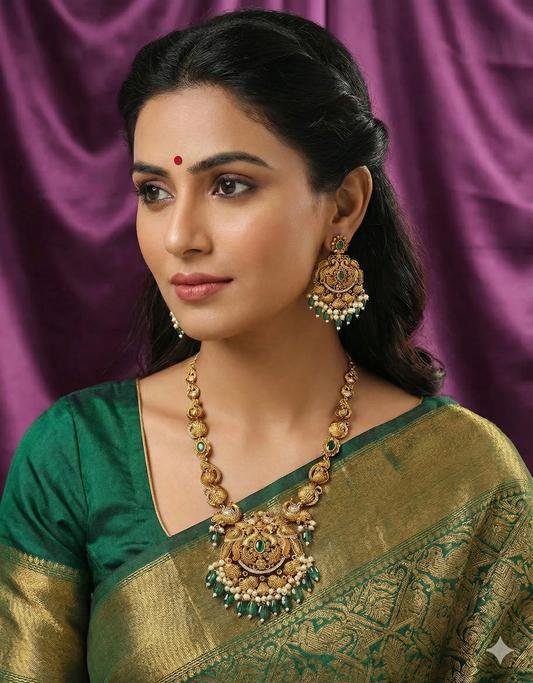
Temple jewellery often features motifs inspired by deities, flowers, leaves and traditional South Indian artwork. Gold-toned temple pieces look especially elegant with silk sarees and traditional outfits.
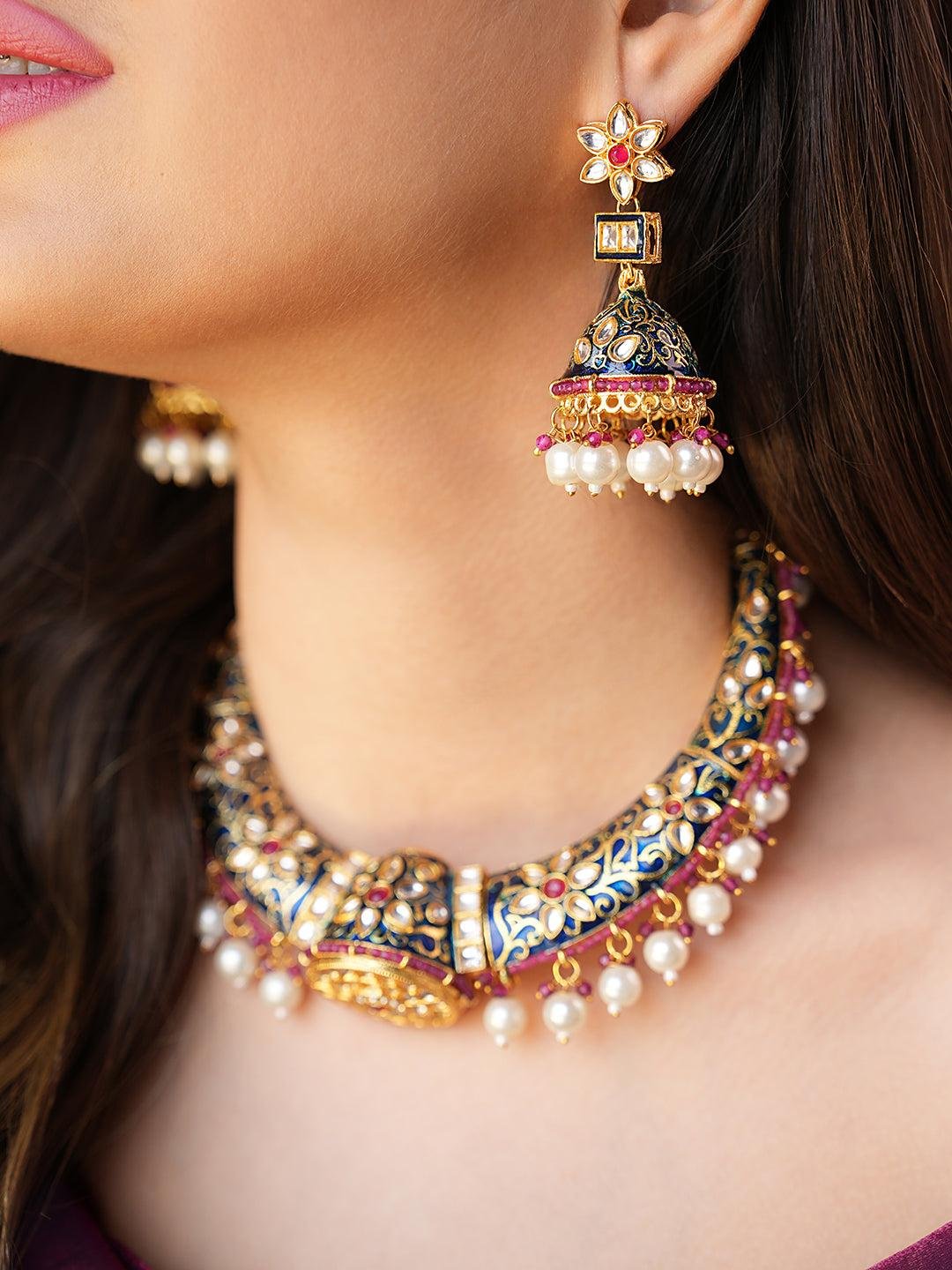
Meenakari Jewellery
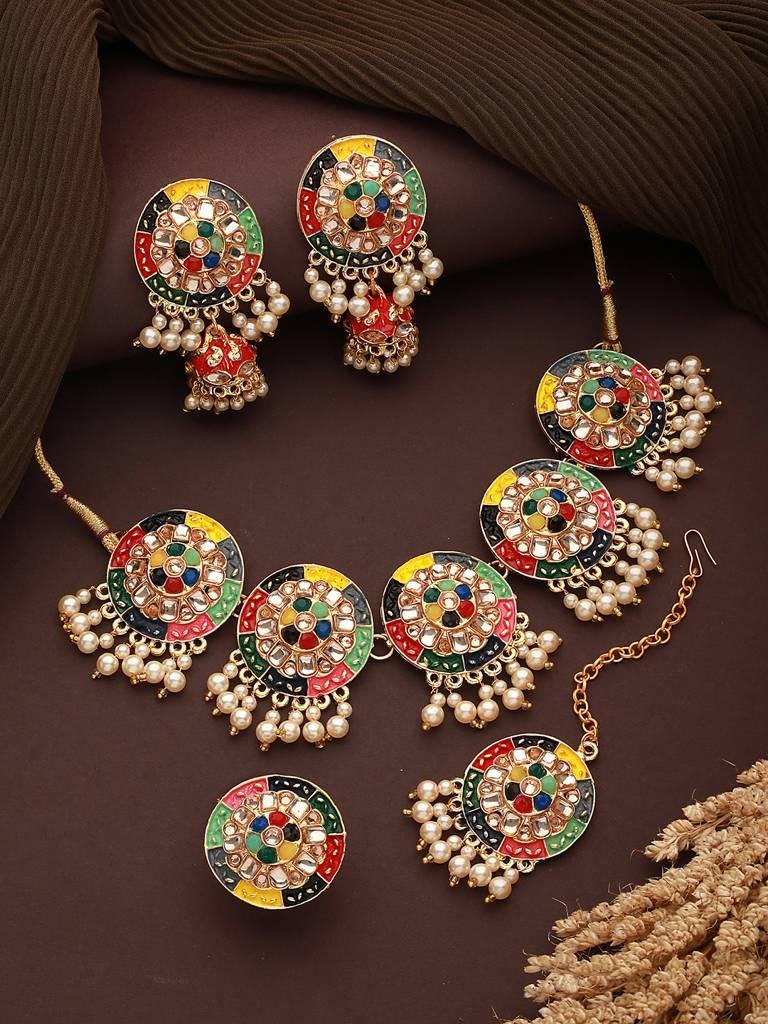
Meenakari is recognised for its colourful enamel work. Its bright shades make it a good choice when you want jewellery to add colour to a simple outfit.
Polki Jewellery
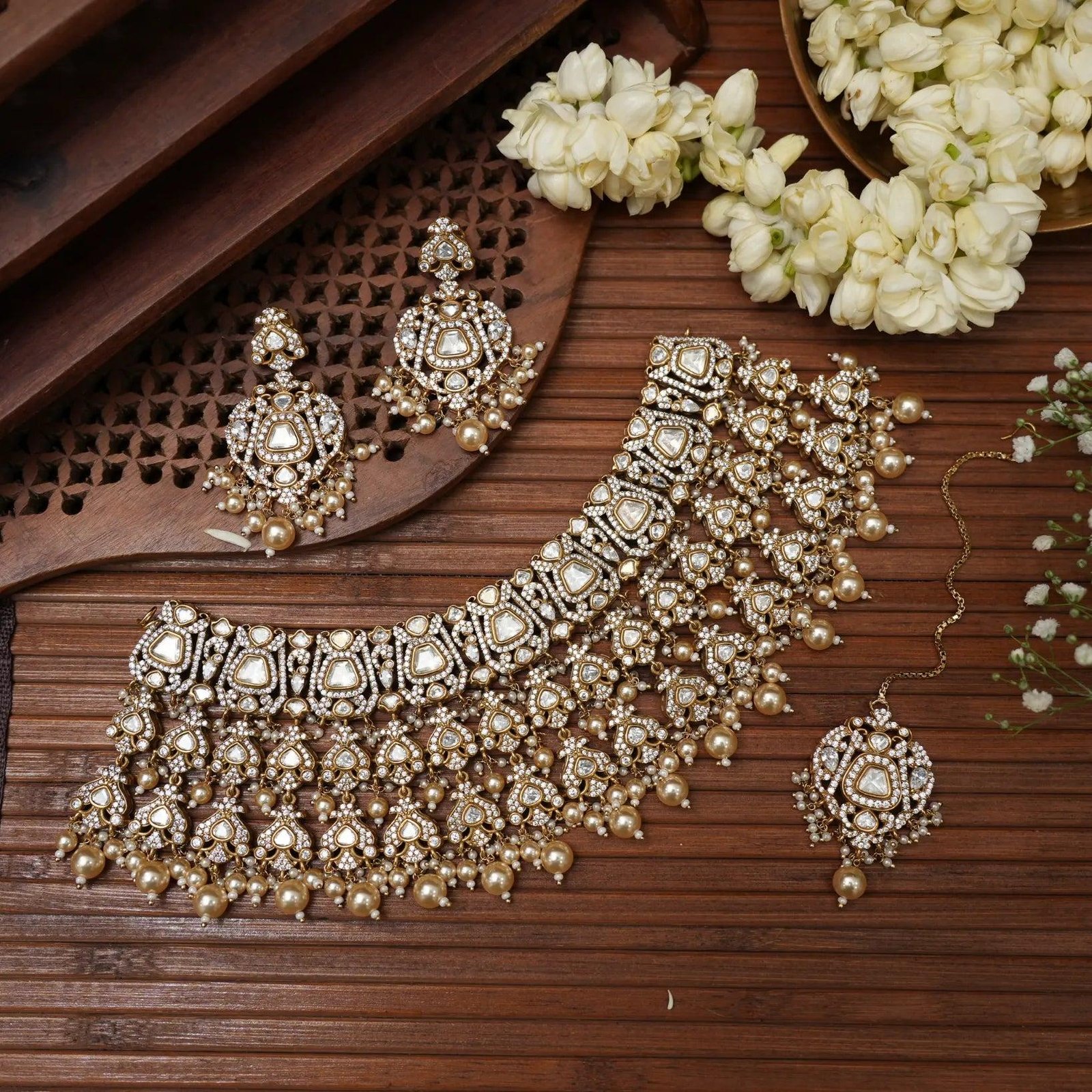
Polki uses uncut diamonds and has a distinctive traditional appearance. It is often chosen for bridal and occasion wear because of its luxurious yet heritage-inspired look.
Jhumkas and Statement Earrings
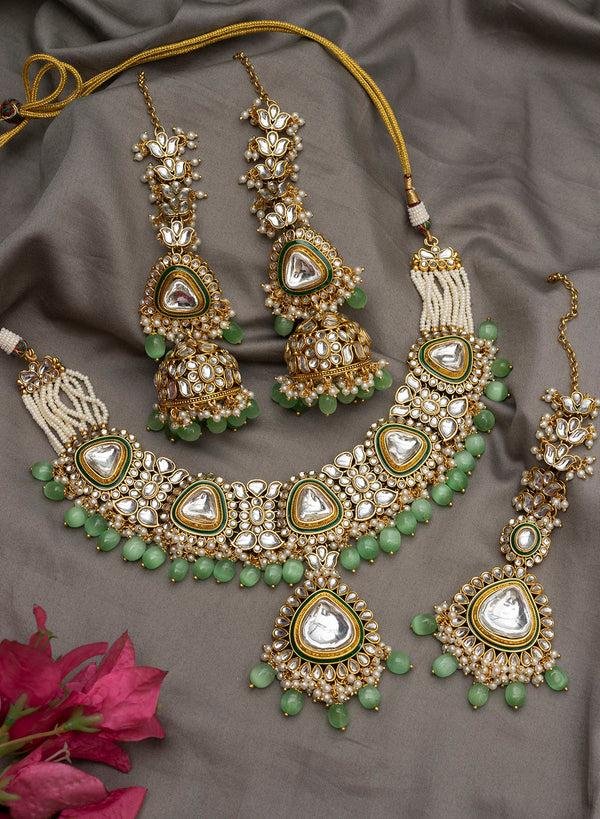
Indian Jewellery earrings can change the appearance of an outfit without requiring a complete jewellery set. Jhumkas, chandbalis, studs and long danglers are among the many styles women can choose from.
Women Indian Jewellery: Choosing Pieces for Different Occasions
The best jewellery is not always the most elaborate piece. It should suit the occasion and complement the clothing.
For everyday or office wear, small studs, simple chains, lightweight bangles and delicate pendants can add elegance without feeling too heavy.
For festivals, colourful earrings, bangles and traditional necklaces add character to ethnic clothing. Weddings allow more freedom to experiment with layered necklaces, statement earrings, maang tikas and coordinated sets.
If the outfit is heavily embroidered, simpler jewellery can help maintain balance. On the other hand, a plain saree or simple kurta can be paired with a statement necklace or bold earrings.
Indian Jewellery Gold: Understanding a Timeless Choice
Gold has a long-standing place in Indian families and celebrations. It is valued not only for its appearance but also for its cultural and financial significance.
When buying gold jewellery, check the purity marking, commonly represented through karat information and hallmarking. Buyers should also ask about making charges, stone charges and the final price before purchasing.
For regular use, lighter designs can be easier to maintain. For special occasions, heavier necklaces, bangles or traditional sets may be preferred. Choosing between them ultimately depends on budget, lifestyle and how frequently the piece will be worn.
How to Buy Indian Jewellery Online
Shopping online makes it easier to compare designs, prices and styles. Before ordering, check the product description, metal purity, stone details, dimensions, return policy and customer reviews.
Look for clear photographs and transparent material and pricing information. If the piece contains gold or precious stones, verify available certification or hallmark information. Compare the total price, including taxes, making charges, shipping and customization fees.
Indian Jewellery Brands and What to Look For
When comparing sellers, focus on transparency rather than popularity. Check materials, purity, pricing, warranty and return conditions.
Established sellers may provide structured after-sales services, while smaller jewellery houses and independent designers can offer distinctive handcrafted designs. Indian Jewellery For Women can also be selected around craftsmanship, styling, customization and price.
How to Match Jewellery With Your Outfit
Matching jewellery with clothing does not have to be complicated. Start with the colour, neckline and overall design of your outfit.
A saree with a traditional border can work well with heritage-inspired jewellery. A plain saree can become more striking with a statement necklace or contrasting earrings. With heavily decorated lehengas, coordinated pieces may look more balanced than mixing too many styles.
Also consider the neckline. Long necklaces can work well with deeper necklines, while chokers can complement open or wider neck designs. Earrings should also be comfortable enough to wear for several hours, particularly during weddings and celebrations.
Caring for Your Jewellery
Proper care can help jewellery maintain its appearance for years. Store individual pieces separately and keep them away from perfumes, lotions and harsh chemicals.
Gold and gemstone pieces should be cleaned according to the care instructions provided by the seller. Avoid using strong household cleaners unless the jewellery manufacturer specifically recommends them.
For valuable pieces, periodic professional inspection can help identify loose stones, worn clasps or other issues before they become serious.
The Growing Interest in Traditional Jewellery
Modern fashion has made traditional jewellery more versatile. Women are now styling heritage-inspired pieces with sarees, dresses, suits, fusion outfits and even simple western clothing.
A traditional necklace can become a statement piece with a plain dress, while a pair of jhumkas can add an ethnic touch to a modern outfit. This mix of old and new allows women to enjoy cultural designs without being limited to traditional occasions.
Indian Jewellery Books and Resources for Design Inspiration
People interested in jewellery history and craftsmanship can explore Indian Jewellery Books, museum collections, craft publications and design archives. These resources can introduce readers to regional techniques, historic ornaments, gemstones and changing fashion traditions.
Learning about the story behind a design can also make jewellery shopping more meaningful. Instead of choosing a piece only for its appearance, you can understand the craft, region and cultural influences behind it.
Frequently Asked Questions
1. What are the most popular traditional jewellery styles in India?
Kundan, Polki, temple jewellery, Meenakari, jhumkas, chandbalis and traditional gold necklaces are among the styles commonly seen in Indian fashion.
2. Which jewellery is suitable for everyday wear?
Small studs, lightweight chains, simple pendants and slim bangles are practical choices for everyday use.
3. What jewellery should I wear with a saree?
The choice depends on the saree and occasion. Traditional necklaces, jhumkas, bangles and temple-inspired pieces can complement silk and festive sarees.
4. Is gold jewellery suitable for daily use?
Yes. Lightweight gold designs can be suitable for regular wear. Choose practical designs that match your lifestyle and maintain them properly.
5. How can I choose jewellery for a wedding?
Consider the outfit, neckline, wedding function and comfort. For major functions, statement necklaces, earrings and coordinated sets can create a complete look.
6. Is it safe to buy jewellery online?
It can be, provided you buy from a reliable seller and carefully check purity, certification, pricing, reviews and return policies before ordering.
7. How do I know if gold jewellery is genuine?
Check for recognised hallmark or purity information and request appropriate documentation from the seller. For expensive purchases, independent verification can provide additional assurance.
8. Can traditional jewellery be worn with western outfits?
Yes. A single traditional piece, such as jhumkas, a statement necklace or bangles, can add an Indian touch to a contemporary outfit.
9. How should jewellery be stored?
Store pieces separately in clean, dry compartments or soft pouches. Keep them away from moisture, chemicals and direct contact with other pieces.
10. How can I make my jewellery collection more versatile?
Choose a mix of everyday pieces, traditional designs and one or two statement items. Select styles that can work with several outfits rather than buying pieces for only one occasion.